In Virginia, the power of a locality to regulate where buildings go is influenced by legislation that passes through the General Assembly and signed into law by the governor.
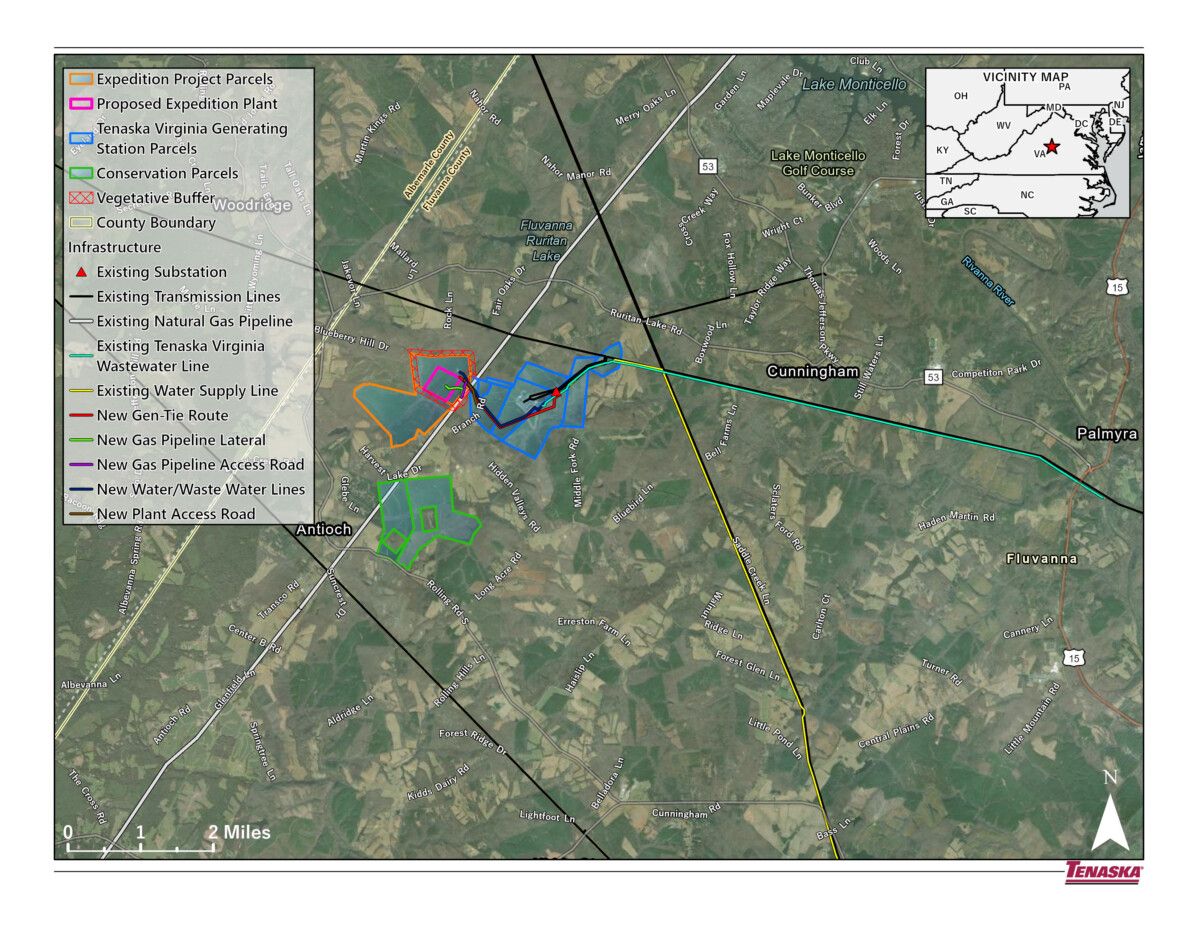
For instance: in the last decade, Fluvanna County was required to allow something called rural cluster developments because of a law that required counties to have that policy in place if they grew between ten percent in between Census counts. In December, Fluvanna Supervisors eliminated rural clusters because they did not grow was much between 2010 and 2020.
On January 21, the Louisa County Board of Supervisors will hold a public hearing on a provision “to remove new residential uses from permitted and conditional uses in the commercial zoning districts” according to a public notice in the January 6 Richmond Times-Dispatch.
That would be in the opposite direction of a bill filed by Senator Schuyler T. VanValkenburg (D-16) that would require every locality to allow residential as a by-right use in any commercial district. SB839 bill would also require a locality to create a fast-track program if certain criteria are met.
“Any residential development pursuant to the authority granted in this section that dedicates a minimum of 10 percent of the total number of housing units to households with a household income at or below 80 percent of the area median income shall be granted an accelerated plan review and permit approval process by the locality’s staff,” reads a portion of the bill.
Definitely one to track this year.

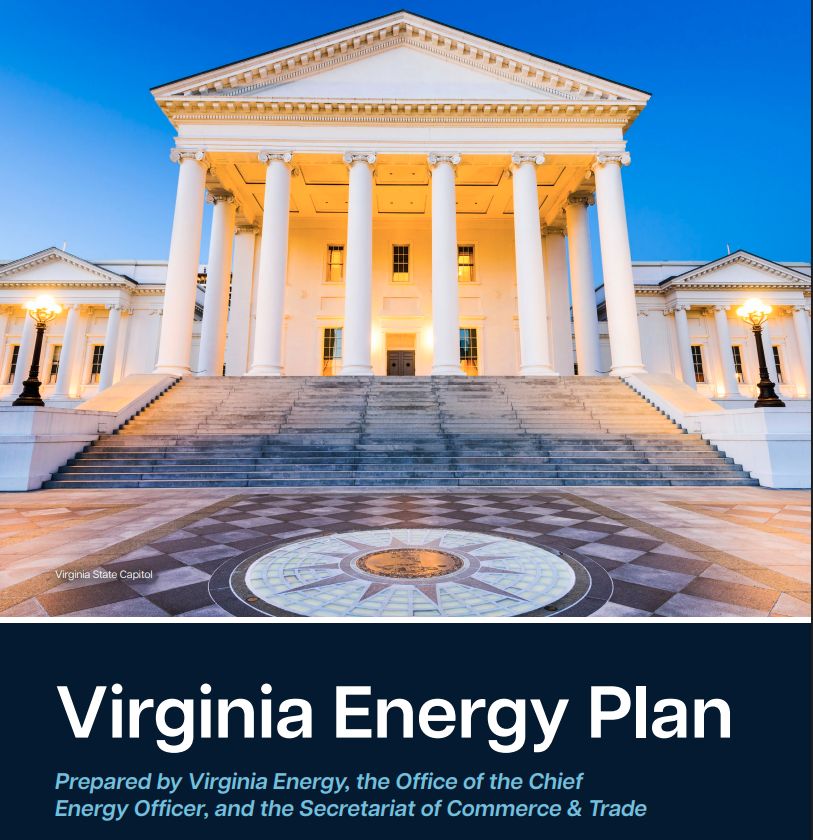
Another subject area to track this year is legislation related to data centers. For instance, HB1601 from Delegate Joshua Cole (D-65) would require a locality to conduct a site assessment for the sound profile of any “high energy usage facility” as well as the proposal’s effects on water, agricultural resources, parks, registered historic sites, or forestland.
Here are some other bills that are pending:
- HB1598 from Delegate Joshua Cole (D-65) would create a one-time income tax deduction of up to $10,000 for expenses related to a household’s first purchase of a home between 2025 and 2029.
- HB1585 from Delegate N. Baxter Ennis (R-89) would make it illegal to sell or distribute weight loss and muscle building products to people under the age of 18.
- HB1589 from Delegate Wren Williams (R-47) would increase the number of people on the Parole Board from five to ten members.
- SB835 from Senator Scott Surovell (D-34) would create the Virginia College Opportunity Endowment and Fund with an initial deposit of $500 million.
- SB836 from Senator Danny Diggs (R-24) would amend the charter for the City of Poquoson would give the city council the authority to expel a member of an appointed board or commission if four out of seven councilors agree.
- SB837 from Senator Glen Sturtevant Jr. (R-12) would lower the minimum age to obtain a concealed handgun permit from 21 to 18.
- However, SB848 from Senator Saddam Azlan Salim (D-37) would prevent anyone under the age of 21 from buying a handgun or assault firearm.
- Also on the topic of firearms, SB849 would require the Department of State Police to issue a nonresident concealed handgun permit 90 days after an application has been made if action has not yet been taken. The bill also requires the permit to be revoked if it turns out the holder isn’t eligible. Diggs is the chief patron
- HB1622 from Delegate Amy Laufer (D-55) would make it a civil penalty to leave a firearm unattended in a motor vehicle.
- HB1607 from Delegate Dan Helmer (D-10) would prohibit the sale of assault firearms and certain ammunition feeding devices. Helmer also filed HB1608 that would establish a code of conduct for people in the business of selling firearms.
- HB1594 introduced by Delegate Nadarius E. Clark (D-84) would require the next budget bills of the next governor to include funding to bring teacher salaries up to the national average.
- Clark also filed HB1618 which would require the Commissioner of Health to convene a working group to study microplastics in drinking water.
- HB1621 from Delegate Amy Laufer (D-55) would require the State Board of Community Colleges as well as the boards of all higher education facilities to appoint a non-voting member who represents the faculty.
Before you go: This article was originally sent out as part of the Charlottesville Community Engagement newsletter in the January 7, 2025 edition. Both are functions of Town Crier Productions. You can support the work by purchasing a paid subscription or contributing monthly through Patreon. You can also send in a check or send an email, but drop me a line first.
Discover more from Information Charlottesville
Subscribe to get the latest posts sent to your email.