The City of Charlottesville has recently launched a new community engagement portal intended to be a place for people to learn about and provide feedback on matters of public policy. One of the current items on offer is the chance to comment on the city’s next Urban Forest Management Plan.
“The UFMP will provide recommendations for street trees, prioritizing tree planting locations, tree preservation and maintenance, and tree canopy expansion on both public and private properties,” reads the website for that opportunity.
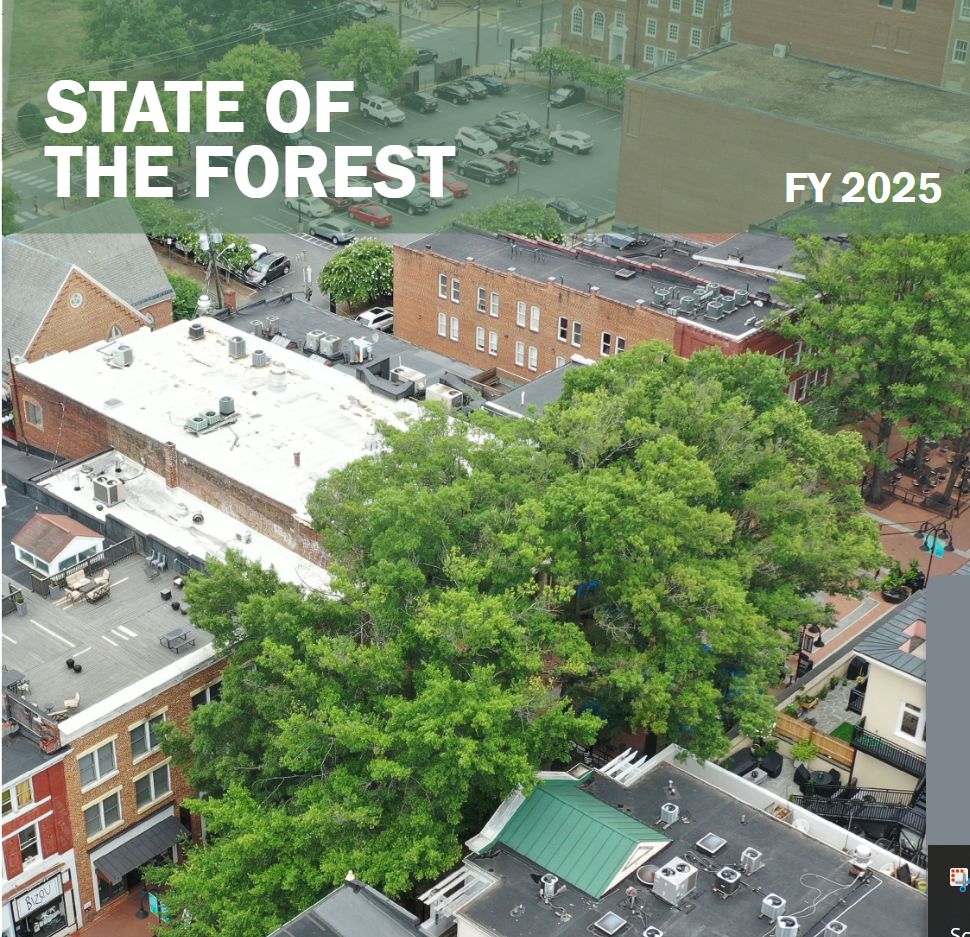
Those who want to know more before they respond might go back and review a recent presentation on the State of the Forest to the City Council given on April 20. The report intended to call attention to both threats and opportunities.
“First, the multiple threats to the health of our urban forest from climate and environmental changes, from diseases and pests, invasive vines, and from in the process of development projects,” said Susan McKimmon, a former member of the Tree Commission and representative from the Charlottesville Area Tree Stewards.
Resources:
“Second the space for planting large shade trees on public lands is increasingly limited,” McKinnon continued. “These two factors together combined lead us to focus more intensively on tree preservation and the restoration of urban forests.”
McKinnon said there is also a need to work with private landowners in areas of low tree canopy, to come up with innovative tree planting strategies, and to improve on cooperation between the city government and nonprofit groups.
In FY2025 on public land, the city planted 133 trees, the Charlottesville Area Tree Stewards planted 38, and ReLeaf Cville planted 14. However, the city removed 64 trees on public property. A total of 519 trees were planted on private property.
“Two things that are not captured in these report numbers,” McKinnon said. “One is the number of trees planted and removed on private properties by individual landowners and in the course of larger development projects. Another is when trees are removed.”

McKinnon said when mature shade trees are removed, younger replacements might take twenty years to be able to provide the same level of ecological service. Until then, work needs to continue on removing invasive species. The Charlottesville Invasive Plant Partnership worked with the Kellytown and Little High neighborhoods to clear 42 acres over the past two years. She said the city can help by creating and enforcing rules to prevent them from growing too large.
“Just driving around the city, we can all see the terrible tangles of invasive vines that are affecting small and large swaths of our urban forests,” McKinnon said. “Most often these are seen on absentee owner rental properties overseen by management companies, on the back side of large commercial properties, on the common areas of HOA’s, on derelict properties, and on properties held for years by developers who are waiting to sell or develop.”
The Tree Commission also wants to make it more difficult for mature trees to be cut down in the first place. Member J.D. Brown said a preservation guide is in development, but the group also wants the city to strengthen existing protections.
“The city adopted a tree removal permit requirement in the last few years, but it’s remained kind of stalled at the gates because we really don’t have that visible to the public,” Brown said. “It’s not communicated well to the public. If we take advantage of that, that will be a really critical tool for us for assessing what’s happening on private property.”
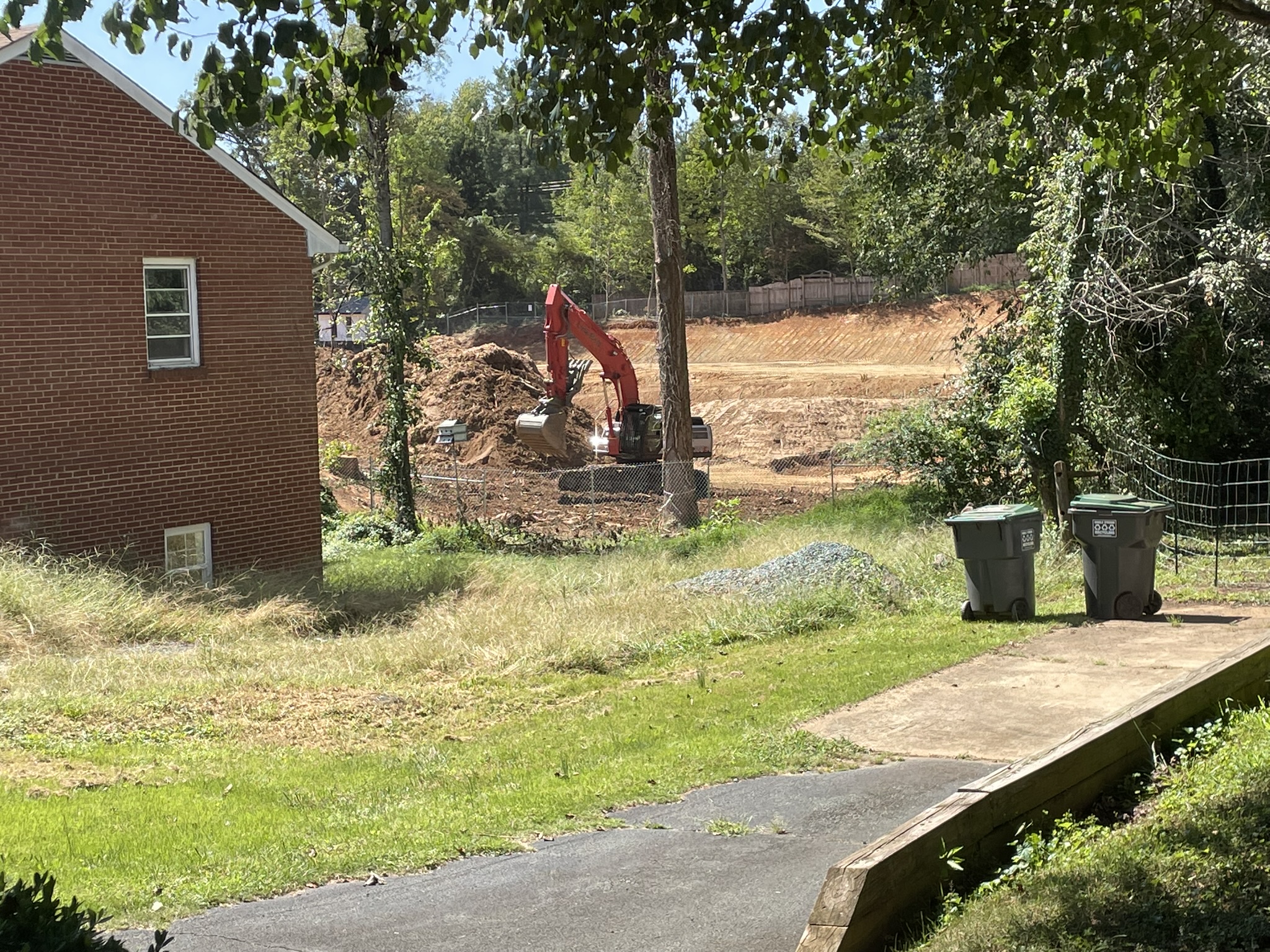
The group has also mapped out areas where trees are vulnerable to development. Hannah Brown noted that many of the sites that have not yet been developed are also the ones that currently offer the most in ecological services. She said the goal of the map is to encourage developers to make choices and for the fate of trees to be considered earlier on in the development process.
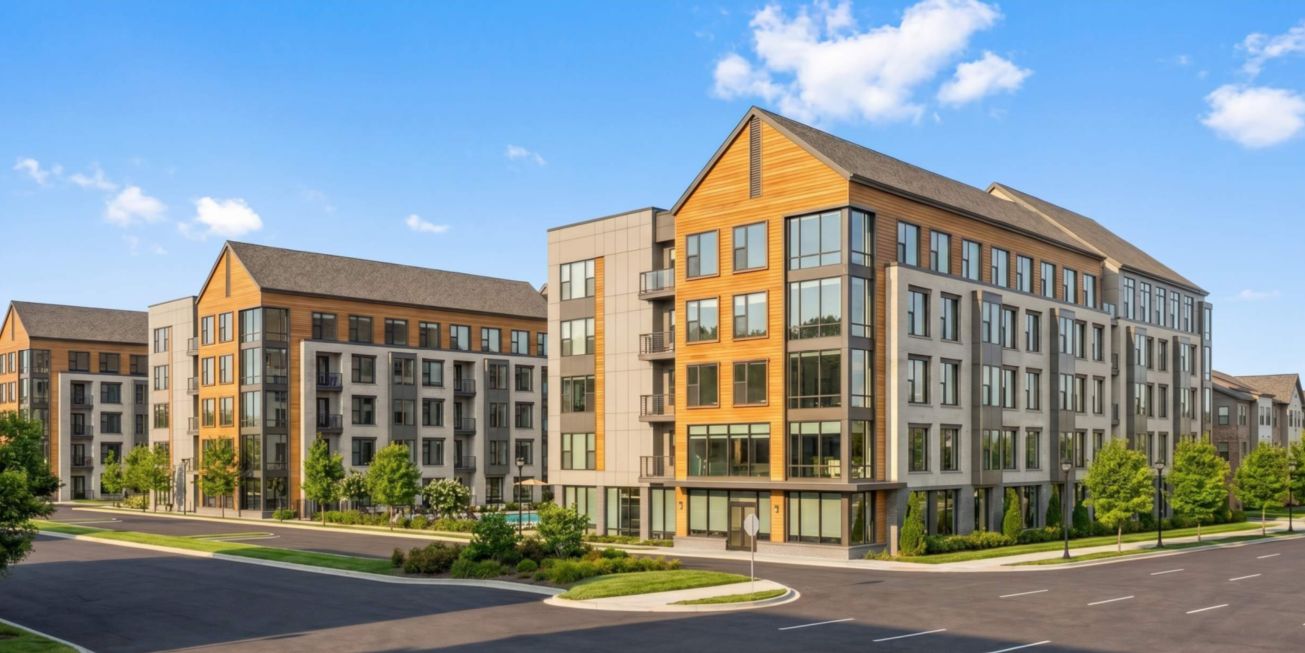
“For example, a planned housing development on one of our identified vulnerable parcels could, early in the design process, commit to an approach like clustered housing that could aim to preserve ecological assets without compromising the quantity or quality of the housing built,” said Hannah Brown.

Hannah Brown said another ongoing initiative is called Canopy Collective and is intended to identify the most effective place to plant trees on public land to increase the percentage of land covered by branches.
City Councilor Natalie Oschrin said she would like to see a program to turn parking spaces into planting space for new trees.
“Instead of reserving a 10×5 or 20×5 parking spot for a car, we could turn that into a tree,” Oschrin said.
The Urban Forest Community Survey is open through May 24. Visit Connect Charlottesville for more information.
Before you go: The goal of Town Crier Productions is to increase awareness about what is happening at the local, regional, state, and federal government levels. Please share the work with others if you want people to know things. Paid subscribers cover the cost of conducting research for this article which was originally published in the May 11, 2026 edition of Charlottesville Community Engagement. You can either subscribe through Substack or make a charitable contribution.
Discover more from Information Charlottesville
Subscribe to get the latest posts sent to your email.