

In recent years, the United States Environmental Protection Agency has mandated increased testing for the presence of chemicals known as Per–and Polyfluoroalkyl Substances (PFAS) in public water.
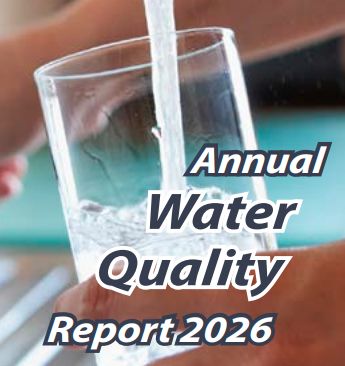
“They are commonly used in products like food packaging, dental floss, carpeting, waterproof clothing, and cookware,” reads the top item in the City of Charlottesville’s latest annual water quality report.
Studies have demonstrated a link between consumption of PFAS and adverse health effects and in March 2023, the EPA issued a draft rule requiring water utilities to test water to make sure that a “maximum contaminant level” is not exceeded. While the rules don’t go into effect until 2027, the city and the Rivanna Water and Sewer Authority conducted quarterly tests to gauge levels in 2025.
“The City of Charlottesville is happy to report that has been no exceedance of PFAS in any finished water samples,” reads the final paragraph of the item. “The City and RWSA will continue to monitor and sample raw and finished water for PFAS contaminants to help satisfy the EPA’s initial monitoring requirements that must begin by April 2027.
The report also notes a lack of cryptosporidium, a microbial pathogen that is present in some reservoirs at very small levels below 0.05 parts per liter. None has been detected in finished water according to the report.
The city’s water distribution system is free of lead pipes according to a study conducted in 2023.
You can find the 2025 water quality report here.

Before you go: The goal of Town Crier Productions is to increase awareness about what is happening at the local, regional, state, and federal government levels. Please share the work with others if you want people to know things. Paid subscribers cover the cost of conducting research for this article which was originally published in the May 13, 2026 edition of Charlottesville Community Engagement. You can either subscribe through Substack or make a charitable contribution.
Discover more from Information Charlottesville
Subscribe to get the latest posts sent to your email.