One of the biggest topics of conversation in Charlottesville at the moment is the operation of the roundabout at Hydraulic Road and Hillsdale Drive that opened a week early on August 6.
The night before, Charlottesville City Council made a decision about the future of another roundabout planned for a third of a mile to the northwest.
“[The Virginia Department of Transportation] is looking for you to select a preferred alternative for the Hydraulic Road / District Avenue roundabout,” said Ben Chambers, the city’s transportation planning manager. “The alternatives are based around the spoke on that roundabout that leads to Cedar Hill Drive.”
Hydraulic Road is a boundary line between Albemarle and Charlottesville with Cedar Hill Drive leading into the city’s Meadows neighborhood. District Avenue is a public street constructed as part of the Shops at Stonefield development.
The Commonwealth Transportation Board has recently agreed to fund a $20 million Smart Scale project to convert the traffic signal at District and Hydraulic into a roundabout.
“We are looking at two different alternatives for this roundabout,” Chambers said. “One that allows access into Cedar Hill Drive from this roundabout and one that only allows it out of Cedar Hill Drive at that roundabout.”
The latter is Alternative A and Chambers said access to Cedar Hill Drive is currently limited with no legal ability to turn left from the neighborhood onto Hydraulic Road. Alternative B would allow access in and out of the Meadows from the roundabout.

Chambers said people from the Meadows neighborhood who attended a June 4 citizen information meeting held by VDOT supported Alternative A because it would not allow vehicles to come through their neighborhood to get to other points in the city, a phenomenon known as “cut-through traffic.”
Vice Mayor Brian Pinkston said he understood their concerns but supported Alternative B.
“If we’re thinking about the Meadows and wanting it to be not sort of this orphan on the upper northwest corner of the city and have it as integrated as possible, then we need to have all the movements that are there,” Pinkston said.
City Councilor Michael Payne also supported Alternative B and pointed out that other parts of the Meadows neighborhood are zoned for more intense use in the future.
“The Best Buy site is zoned Node Mixed Use 8 and hopefully at some point that’s redeveloped to mix use,” Payne said. “You could have eight-plus stories of housing. That access point will be really important to residents who live there. The Meadows may continue to grow over time. Obviously Stonefield has apartments about to come online. Seminole Square has apartments planned.”
City Councilor Natalie Oschrin took the time to lament a landscape dominated by motor vehicles.
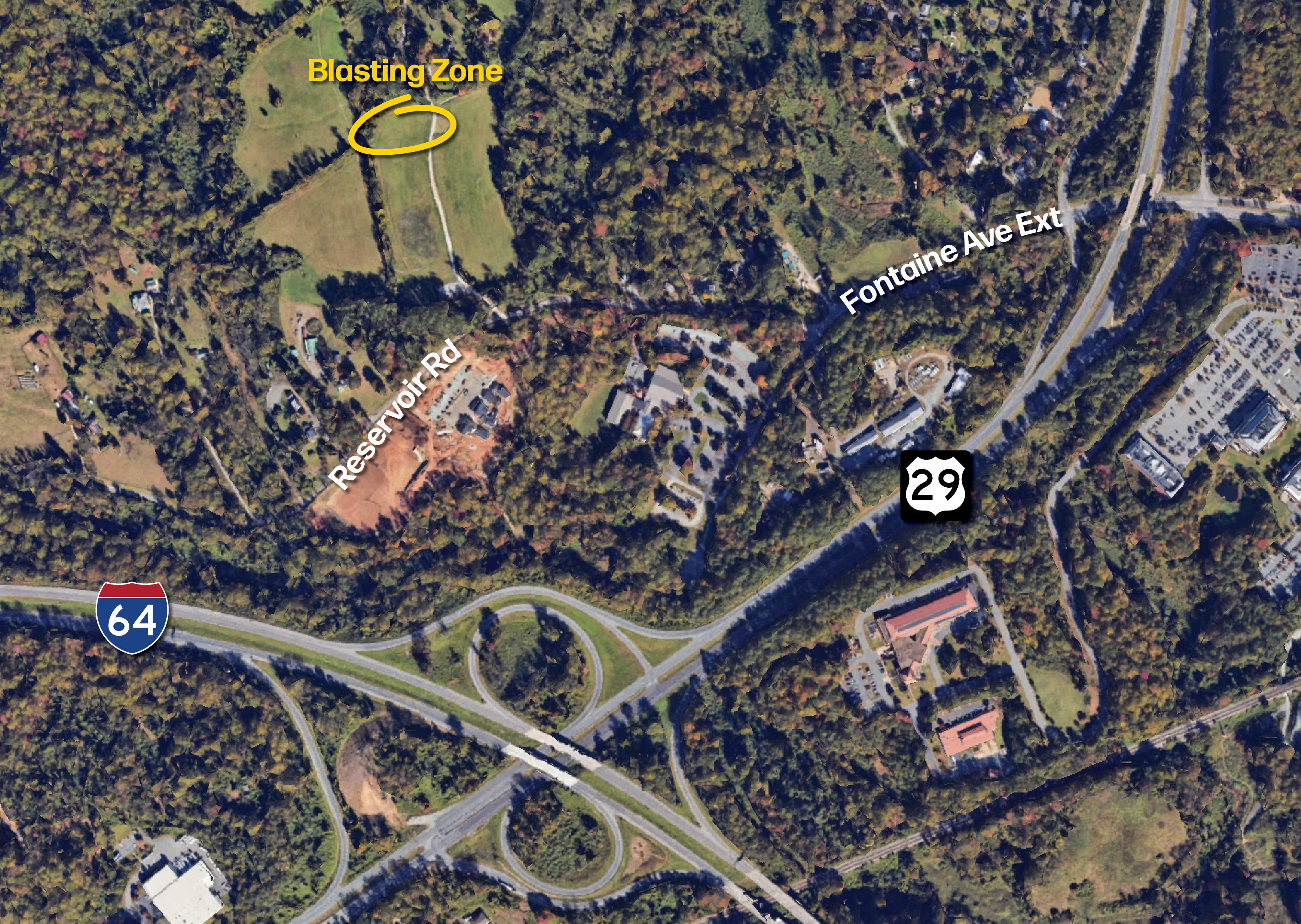
“One thing I just always think about when I look at the 29 corridor from a map or when sometimes you fly in and can see it during the day, and you can see it in this photo, just the absolute sheer amount of asphalt and space that we reserve for private car storage,” Oschrin said. “I mean, a lot of that is in the county of course and their planning decisions but it starts in the city as well.
The two planning commissions in Albemarle and Charlottesville have not met for at least five years.
When Stonefield was going through the rezoning process, Mayor Juandiego Wade was a transportation planner for Albemarle County.
“This was always a question of how it was going to impact that street but I was like but, oh, that’s a city problem,” Wade said. “But I’m in this position now so I will definitely support B because I think access is king.”
A motion to recommend full access to the neighborhood passed 5-0. VDOT will hold a public hearing next spring but this project is not expected to be completed until 2029.
One historical fact to note. As part of the rezoning for what is now called Stonefield, the original developer of Albemarle Place agreed to give the City of Charlottesville $10,000 for traffic calming improvements along Hydraulic Road. That was back in 2003.

Before you go: The time to write and research of this article is covered by paid subscribers to Charlottesville Community Engagement. In fact, this particular installment is from the August 14, 2024 edition of the newsletter. To ensure this research can be sustained, please consider becoming a paid subscriber or contributing monthly through Patreon.
Discover more from Information Charlottesville
Subscribe to get the latest posts sent to your email.