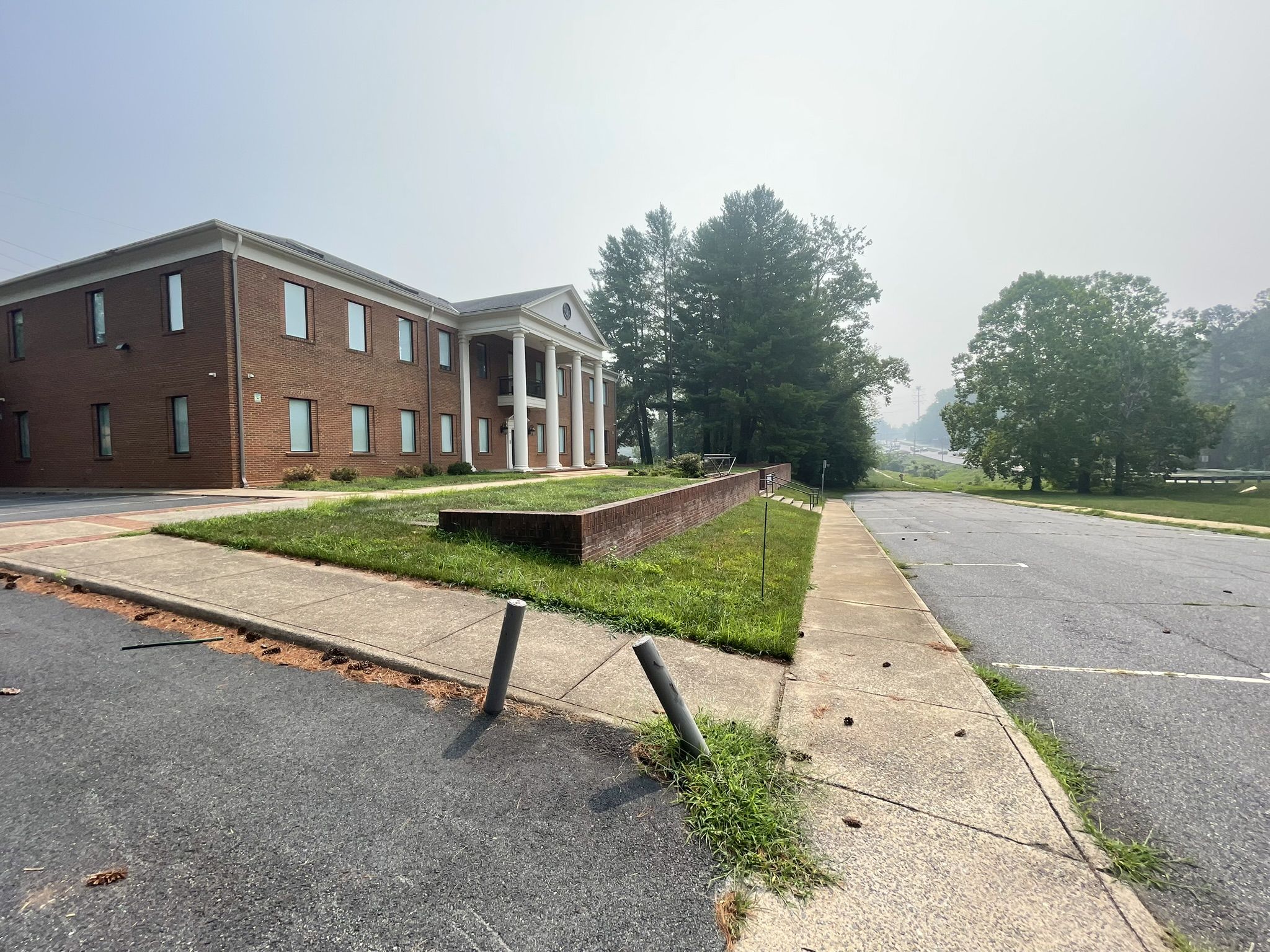
The small auditorium that hosts Charlottesville City Council meetings was standing room only on Monday for the elected body’s first regular meeting in over a month. That gave a fresh opportunity for some in the community to express their anger and anguish over a development project allowed under the city’s 2023 Development Code.
LCD Acquisitions is seeking to construct a seven-story apartment building in Fifeville on land zoned Residential-Mixed Use 5 under the new zoning. A major theme in the Cville Plans Together initiative was to reduce barriers for development by largely eliminating the role that City Council plays in regulating density and height.
The project known as The Mark incorporates two lots that are designed as “Individually Protected Properties” because of the historic significance of each. That required a document called a Certificate of Appropriateness (CoA) from the Board of Architectural Review which the appointed body denied in December.
LCD Acquisitions appealed the decision to City Council and the elected officials voted 3 to 2 to grant the CoA as I reported for C-Ville Weekly. Since then the Fifeville Neighborhood Association and other groups have been putting pressure on Council to reconsider.
Before the meeting, the city’s Office of Communications and Public Engagement put out a statement.
“Council respects the right of residents to continue expressing their views about the project and understands that some residents remain deeply disappointed by the decision,” reads the statement. “In recent days, members of the community have asked Council to rescind its prior action or vote again on the Certificate of Appropriateness.”
The statement went on to explain the legal reasons but City Attorney John Maddux gave an explanation just as the meeting got underway.
“This decision was made under a very specific historic review process that was established by state law and the city’s Development Code,” Maddux said. “Since Council acted on the appeal, its role in that process was complete. The process does not provide a mechanism for council to reopen the matter or hold another vote.”
Dr. Arthur S. Long Jr., pastor of First Baptist Church, said the city’s zoning is the result of an undemocratic process that made decisions for neighborhoods without consulting them.
“If we truly love Charlottesville, then our public policy ought to reflect that love,” Long said. “That means asking difficult questions. Who benefits? Who bears the burden? Who had a voice? Who was left out the room? Those questions matter because zoning is not merely about land. Zoning is about values.”
Long and others at the meeting called on the City Council to reopen the zoning code to make adjustments. That conversation will remain ongoing.
On July 8, planners submitted a new Development Plan for the Mark. More on that in a future story.
To conclude this story, some background on how we got here.
The Development Code is the third of three projects that ultimately come from a decision made by Charlottesville City Council in February 2019 to hire a consultant to restart a stalled Comprehensive Plan update.
The firm Rhodeside & Harwell was the sole respondent to a request for proposals issued that summer. The language in this RFP is worth reading and is within the image below.
In full disclosure, I was briefly a member of the Steering Committee for what became known as the Cville Plans Together initiative but left the Piedmont Environmental Council in the summer of 2020 because I was concerned that no one was going to be reporting on the details as they were developed.
Curious about who was in the room for the nearly four-year process? All of the materials for the meetings as well as some recordings are in the Document & Media Center on the Cville Plans Together website.
This newsletter was created to cover these processes and will continue to ask questions about what has happened since. Most of the stories should be archived at Information Charlottesville so take a look there.

Before you go: The goal of Town Crier Productions is to increase awareness about what is happening at the local, regional, state, and federal government levels. Please share the work with others if you want people to know things. Paid subscribers cover the cost of conducting research for this article which was originally published in the July 21, 2026 edition of Charlottesville Community Engagement. You can either subscribe through Substack or make a charitable contribution.
Discover more from Information Charlottesville
Subscribe to get the latest posts sent to your email.