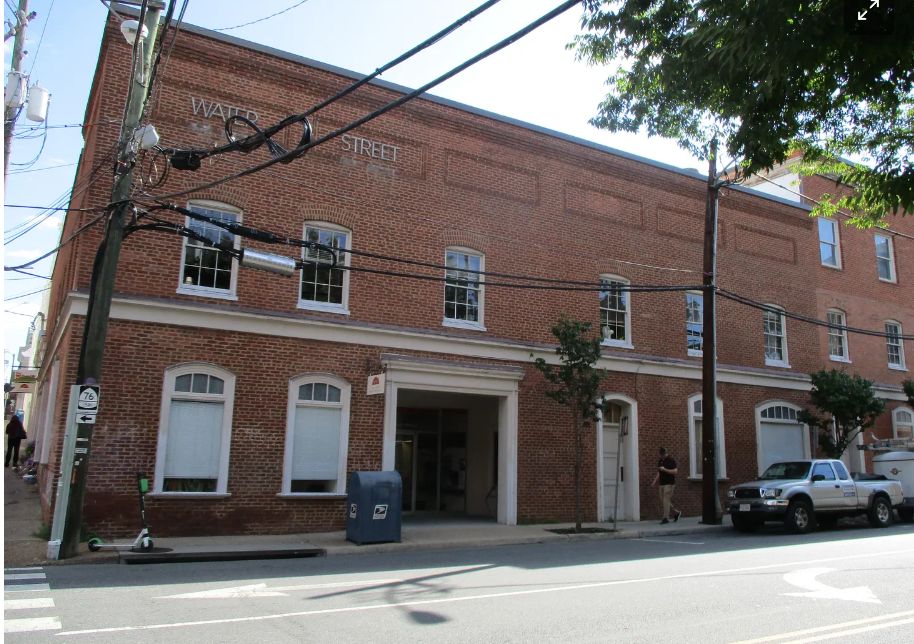
Tomorrow’s elections could mean new members in the near future for the Board of Commissioners of the Thomas Jefferson Planning District Commission. The regional body is made up of people from the six localities and they meet once a month at the TJPDC headquarters at 407 Water Street with the next meeting coming up this week.
One of the items on the agenda is the dissolution of the Regional Transit Partnership, an appointed body staffed by the TJPDC that had been charged with advancing public transportation efforts throughout the entire region.
The TJPDC also staffs the Metropolitan Planning Organization, a federally mandated body that exists to make funding decisions in addition to serving as a central clearinghouse for transportation matters.
At the last meeting of the MPO Policy Board on October 22, transportation director Taylor Jenkins presented the same information.
“The [Regional Transit Partnership] was established in 2017 as a committee of the MPO following a recommendation that came out of a Regional Transit Coordination study specifically to advise on transit-related matters and to really serve as an interim body.”
Legislation passed the General Assembly in 2009 that allowed for the creation of a Charlottesville-Albemarle Regional Transit Authority but that did not happen until last year when the two elected bodies voted to join.
Over the course of its existence, the RTP oversaw the creation of several studies:
- 2022 study of expansion of transit in Albemarle County
- Regional Transit Vision Plan
- Regional Transit Governance Study
The TJPDC will be asked to vote on a dissolution letter and a memorandum of understanding that states CARTA will now serve the same function as the RTP.
Also on the TJPDC agenda is a discussion of a grant the planning entity has applied for to cover the costs of developing a regional water supply plan with other localities in the Middle James River 1 Watershed.
The Virginia Department of Environmental Quality now requires such plans to be developed. The Middle James River 1 Watershed includes Albemarle County, Buckingham County, City of Charlottesville, Fluvanna County, Greene County, Louisa County, the Town of Dillwyn, the Town of Louisa, the Town of Mineral, the Town of Scottsville, and the Town of Stanardsville.
“These efforts will help address critical water supply challenges, including growing population demands, climate and drought risks, aging infrastructure, and water source limitations,” reads the application.
Before you go: Paid subscribers cover the cost of conducting research for this article which was originally published in the November 4, 2025 edition edition of Charlottesville Community Engagement. You can either subscribe through Substack, make a monthly contribution through Patreon, or consider becoming a sponsor. Another way you can help is to share this article with people you might be interested. Thank you for reading!
Discover more from Information Charlottesville
Subscribe to get the latest posts sent to your email.