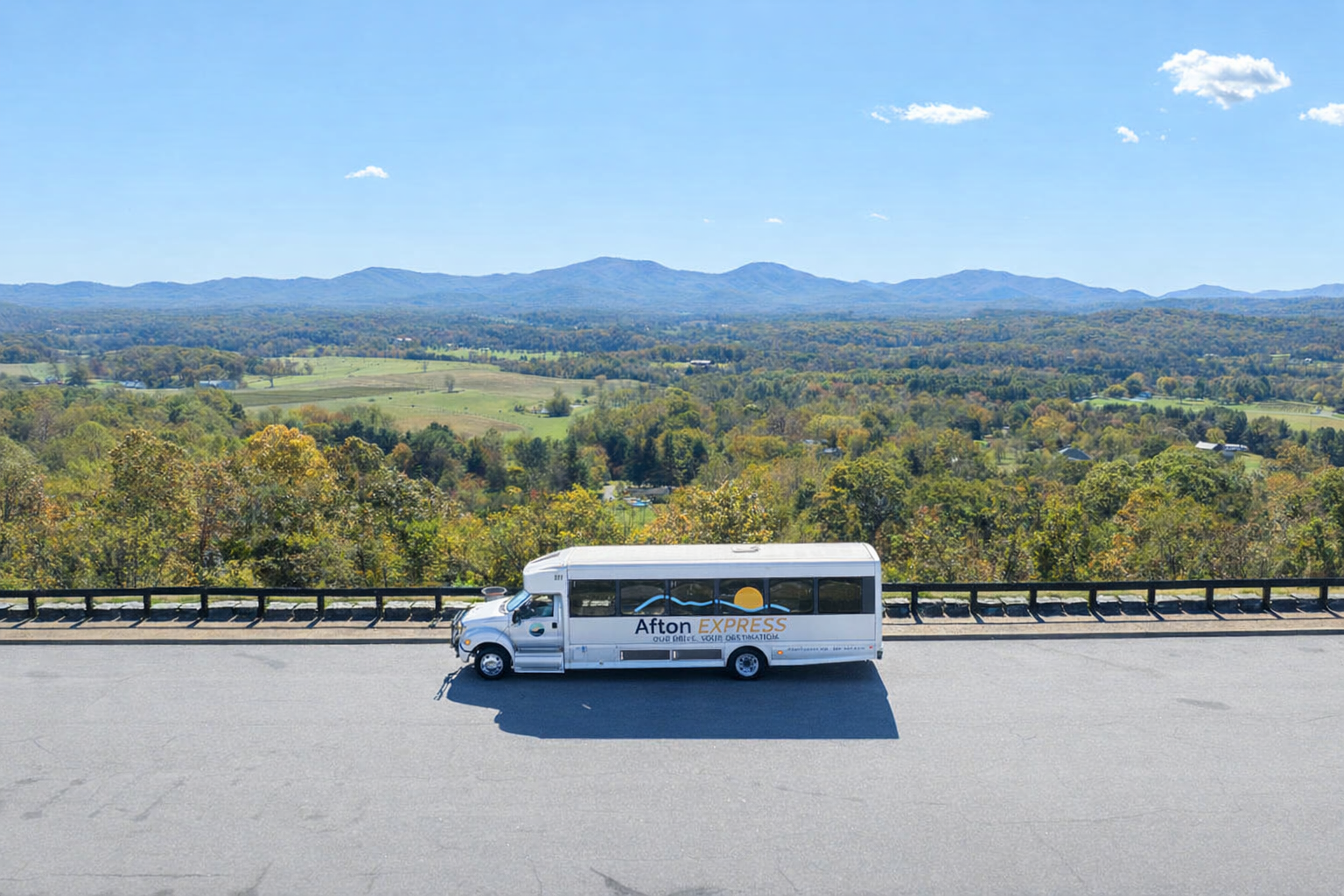
A working group of Albemarle, Charlottesville, and regional planning staff have come up with a plan to formally create a regional transit authority that would begin to set up expanded public transportation.
“It really could serve as a collaborative, multijurisdictional entity that could identify and solve transit issues,” said Ann Wall, a deputy county executive in Albemarle. “It would serve as a forum for planning and working out decisions that are difficult, decisions such as funding formulas for service and capital, service expansions and alternatives.”
The Charlottesville Albemarle Regional Transit Authority (CARTA) would succeed the current Regional Transit Partnership (RTP) but would be recognized by the Commonwealth of Virginia as an entity that could receive funds for enhanced services. Wall spoke at the June 27, 2024 meeting of the partnership.
The workgroup was formed earlier this year when the RTP directed them to create by-laws for a potential authority.
The idea of an authority is not a new one and a coordinated effort led by the Thomas Jefferson Planning District Commission led to the General Assembly passing legislation in 2009 to allow for such an entity to be created. However, a bill to allow a referendum on a sales tax increase to help fund the authority did not make it out of committee.
“And what was settled upon was the creation of this body, the Regional Transit Partnership, which was created in 2017,” Wall said.

Wall said formalizing the partnership into a new authority would have multiple benefits, including creating an entity that could seek new funds from the Commonwealth of Virginia. The authority would not necessarily replace existing providers and could pass through any new revenues that are generated for transit to existing entities.
“A well integrated system could be an attractive investment particularly for federal and state grants.” Wall said.
And there would be a lot to pay for. Since 2017, the RTP and the Thomas Jefferson Planning District Commission have hired a firm to create a long-range regional transit vision that had a cost estimate of $33.5 million a year for the “constrained” version of the plan. (view the final report dated November 30, 2022)
A governance study conducted by the same firm recommended establishing an authority, and now there’s a set of draft by-laws as well as a work plan.
“The legislation gave us a bit of a head start telling us exactly how the composition of the board is supposed to work out initially,” said Ben Chambers, transportation planning manager for the City of Charlottesville. “The Board of Directors needs to include two members from the Albemarle County Board of Supervisors and two members of Charlottesville City Council and one member of the governing body of each of the jurisdictions that join CARTA as a voting member.”
Chambers said the working group reached out to other localities and found that most of them don’t know yet what level of enhanced service they might want.
“They know that they get their Jaunt service and they rely on their Jaunt service but they don’t really know what they need beyond that,” Chambers said.
Wall said different localities had different levels of interest, but the authority could be structured in a way to build partnerships over time.
Chambers said the authority could enhance the role the partnership currently plays to coordinate on items such as app development, integrating commuter services, and fleet electrification. It could be set up initially without providing any services, allowing for a time of transition.
Work remaining to do is to set up an initial budget to cover the set-up costs and planning work will continue for a while.
“We’re hoping to wrap up all that work in the current fiscal year so we’ve got 12 months starting in three days,” Chambers said.
In response to a question from one current service provider, Wall wanted to make clear that if formed, the entity would not immediately be in charge of running any transit service.
“Our intent is to use CARTA as a vehicle to pursue this transit vision plan which will require additional revenue,” Wall said. “That I think is really the goal I think more than taking authority and responsibility away from entities.”
The RTP took no action on the by-laws but it will come back at the August meeting.

Before you go: The time to write and research of this article is covered by paid subscribers to Charlottesville Community Engagement. In fact, this particular installment is from the July 17, 2024 edition of the newsletter. To ensure this research can be sustained, please consider becoming a paid subscriber or contributing monthly through Patreon.
Discover more from Information Charlottesville
Subscribe to get the latest posts sent to your email.