There are many geographical quirks in our community, such as a small sliver of northern Albemarle County that’s within Virginia’s 7th Congressional District rather than the 5th.
A much larger portion of Albemarle is on the western banks of the Rivanna River, a natural border with the City of Charlottesville. Staff in both the county’s economic development office and community development department are putting the finishing touches on a second phase of something called the Broadway Blueprint.
“We’re southeast of the City of Charlottesville and just near the confluence of the Rivanna River and Moores Creek,” said Rachel Falkenstein, a consultant with the firm 3TP Ventures. “Broadway Street bisects our study area and it is about 62 acres total.”
The first phase of the Broadway Blueprint took a broad overview at the area and laid out a series of general concepts for what could happen in the space. 3TP Ventures is one of two firms hired to conduct a second review of potential implementation steps. Line and Grade is the other firm. (read the draft report)
Albemarle Economic Development began taking a look at the area around the time that developer Brian Roy was planning to redevelop the long-abandoned Woolen Mill factory as a new commercial space with office, retail, and restaurant space.
The first phase of the Broadway study was completed in 2020.
“We wanted to kind of take work and build open it and we have three parts to our work,” Falkenstein said. “We did a kickoff where it was just more kind of listening and information gathering. And then there was a mid-point review and that was when we were last before you all back in February where we had some observations we had identified.”

Wednesday’s discussion was to get the final input before the document comes back for an adoption. In February, Supervisors told staff they wanted to prioritize industrial land uses in the area and to discourage large-scale residential use out of a concern there would be conflict between the two uses.
“We brought up the concept of an arts and cultural district with you all at that time and we heard support for that and supporting the artisans in the area and the art studio space that is there,” Falkenstein said. “We heard some support for recommendations to improve Broadway for pedestrian and bicycle facilities but you also highlighted the importance of coordinating with the City of Charlottesville.”
Falkenstein reminded Supervisors that Broadway is landlocked and you have to go through city streets to get there.
As with any plan, there are several recommendations in the form of strategies that call for further action. These include changes to the Comprehensive Plan, perhaps to create an “Employment District” to call for more industrial infill land. Another idea would be to work with landowners on Marchant Street and Pireus Row to alter the zoning to protect the historic structures for infill residential development.
“So in your Comprehensive Plan, these parcels are identified for residential in the future but your current zoning is for industrial, light-industrial zoning,” Falkenstein said.
Another strategy is to take a fresh look at the side of Franklin Street that is within Albemarle County to ensure uses are compatible with the Charlottesville side. At issue is the designation of some hillsides on the Albemarle side as “preserved slopes” that would need to be altered if there were to be changes.

Other ideas in the plan include:
- Engage with artists to create a wayfinding plan for the area to create an identity for the area
- Consider converting Marchant Street to a private roadway to clarify the future and potentially find a way to officially align the Rivanna Trail through this area
- Work with property owners on East Market Street in both Albemarle and Charlottesville to install bike and pedestrian improvements. This would include purchasing right of way.
- Continue work toward a pedestrian bridge to cross the Rivanna River. There is an active project seeking funding that saw a large cost increase in 2022. Albemarle is seeking additional federal funding for additional engineering work which could reduce the cost estimate (look up on cvillepedia)
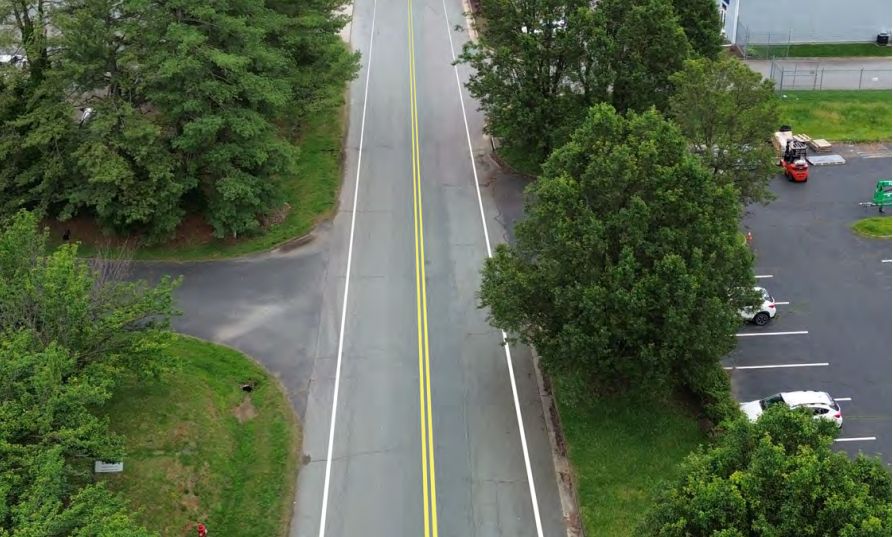
- Painting lines on Broadway to define lanes, shoulders, and walkways. The latter item could include a new VDOT standard of a “walking shoulder” that consultant Dan Hyer says is in the works.
That last item may happen sooner than later as the work that went into the study built off planning the Albemarle County Service Authority is doing for a waterline replacement on Broadway.
“We were able to use the resources they had aggregated and procured for their project for our work,” said Dan Hyer of the firm Line and Grade, the second consultant working on the plan. “As part of their project we learned that they were going to completely mill and resurface Broadway Street when they were finished with the waterline replacement.”
That means there’s time to coordinate a way to mark the road to bring it up to standards in a cost-effective way. Hyer said bid documents to do the work will be issued this summer.
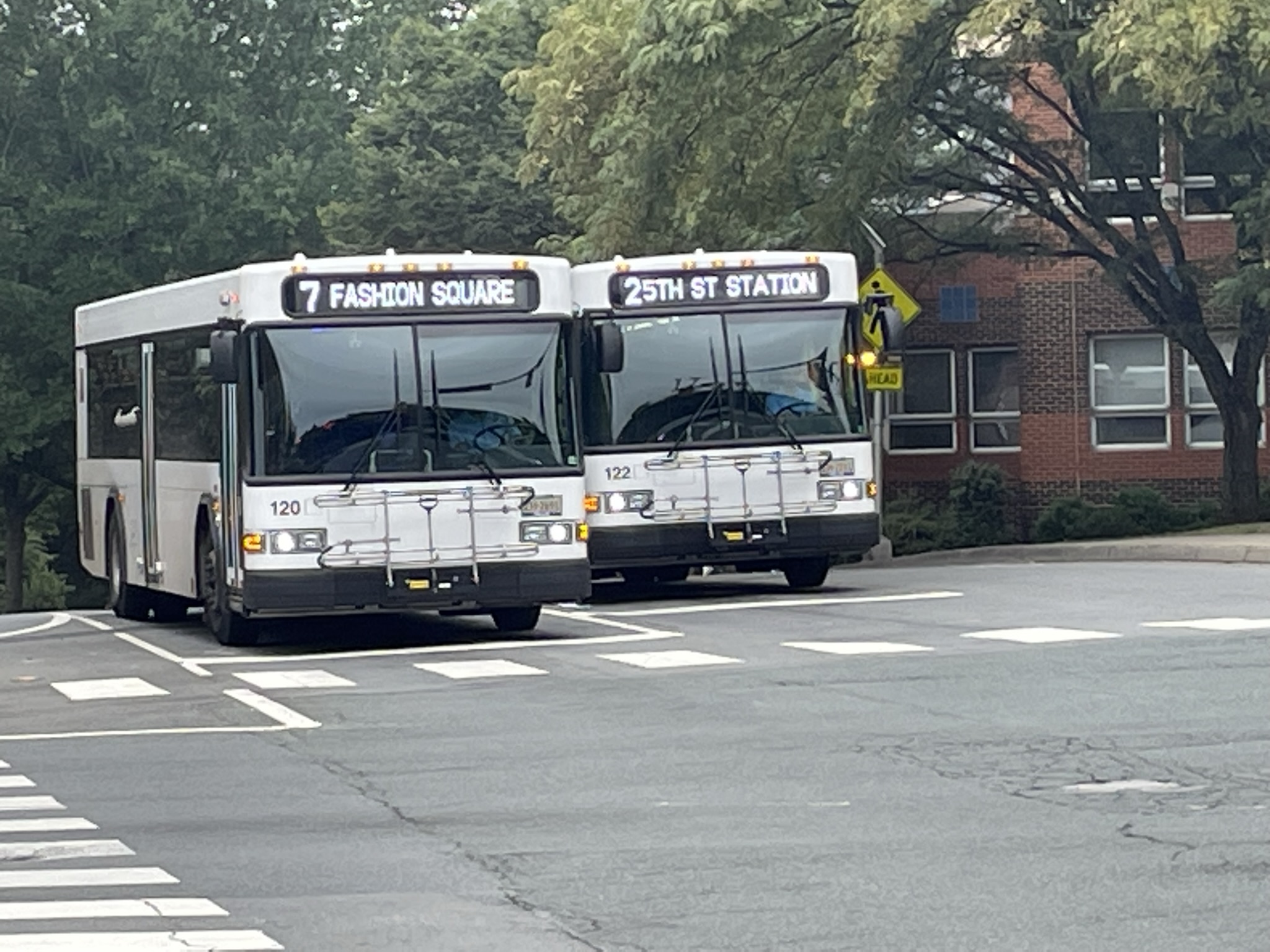
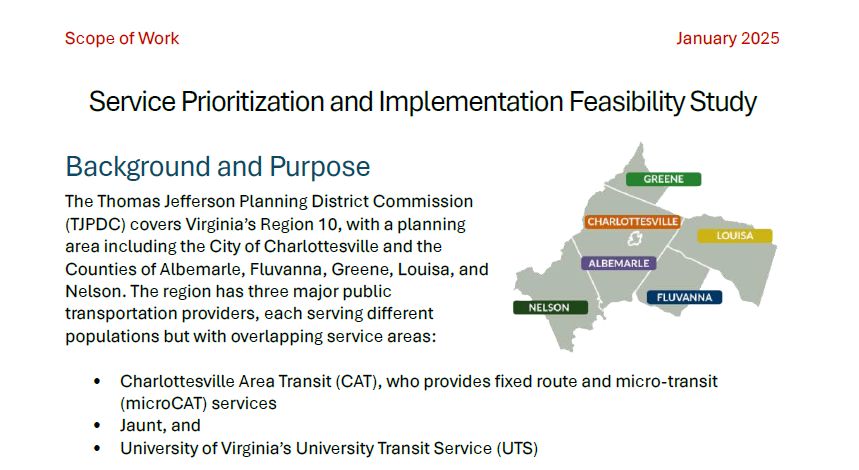
Hyer also made a pitch for connecting the area to public transit. Charlottesville Area Transit Route 3 currently comes close but there’s quite a gap from Carlton Road to Broadway.
“This really is paying attention to how things change over time but making sure that we’re coordinating opportunities for transit between Broadway and Downtown Charlottesville whether that’s microtransit or Jaunt or some other type of mechanism,” Hyer said.
Supervisors had generally positive reactions to the strategies but were resistant to anything that would put multifamily apartments in the place. White Hall Supervisor Ann Mallek reminded the Board much of Hollymead was originally zoned industrial but changed in the late 2000’s.
“We lost massive acreage for light industrial because people complained and said ‘oh, I don’t have anyone who wants to be here so I want to put up apartments’ and bang, there goes 100 acres right there,” Mallek said.
Mallek said one way to protect the historic structures would be for Albemarle to adopt a historic protection ordinance.
Supervisor Ned Gallaway said he thought a priority should be put on creating the arts and cultural district to help the area become more vibrant.
“I think that activity ultimately is what encourages or pushes the dominos for pedestrian infrastructure, block parties, and things like that,” Gallaway said.
Supervisor Mike Pruitt said he was concerned too much organization to promote such a district may affect the conditions that allowed some of the art spaces to set up in the Broadway area.
“My worry might be that the creation of some kind of business or tax incentive through the district would not necessarily benefit the Visible Records of the world first and foremost who are already able to survive in this location, but it might instead create an interesting value proposition for the investor,” Pruitt said.
Supervisor Diantha McKeel was also concerned that too much attention to the area might have too much of an effect. She cautioned against unintended consequences.
“If this area turns into music events, breweries, all these cultural events, while they’re wonderful, I worry about the light industrial piece of this,” McKeel said. “This is the only place for some folks in this community to have a business and there’s a tension there.”
The project will come back to Supervisors for final adoption later this year, most likely on a consent agenda.
Before you go: The time to write and research of this article is covered by paid subscribers to Charlottesville Community Engagement. In fact, this particular installment is from the June 14, 2024 edition of the newsletter. To ensure this research can be sustained, please consider becoming a paid subscriber or contributing monthly through Patreon.
Discover more from Information Charlottesville
Subscribe to get the latest posts sent to your email.