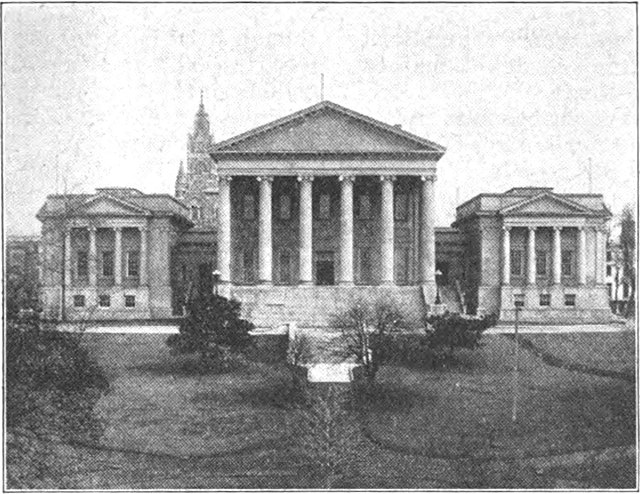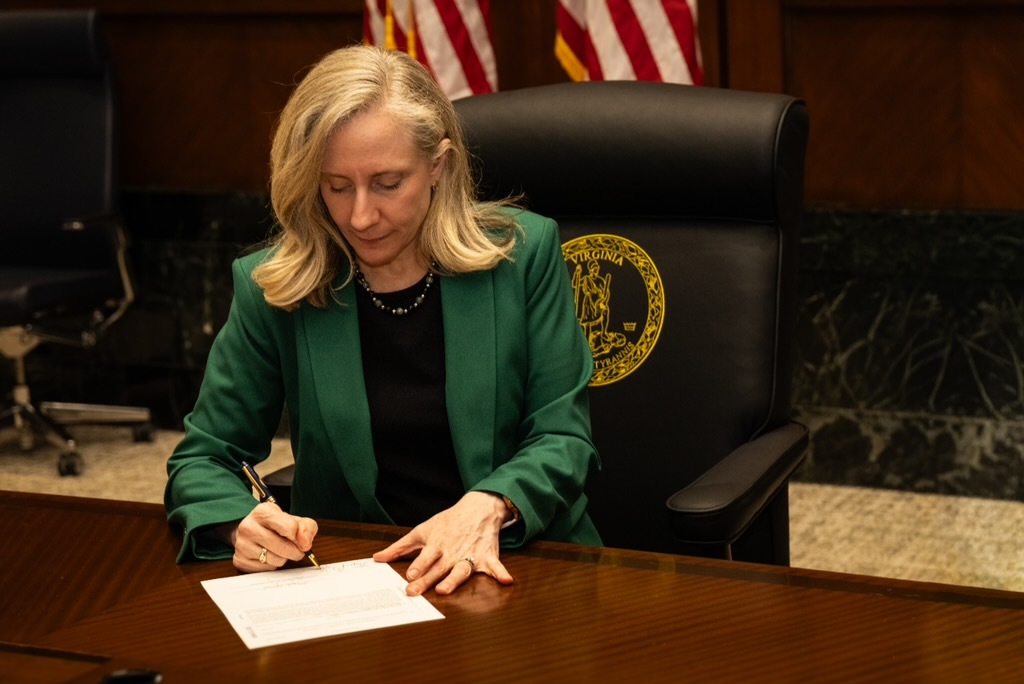


In a typical year In Virginia, the two houses of the General Assembly meet for a short amount of time in the winter to get as much done before the clock strikes adjournment. Then whoever has been elected as Governor gets to wield a pen to either sign legislation, deny passage through the power of the veto, or offer amendments.
Tomorrow, members of the House of Delegates and the Virginia Senate will arrive to respond to 153 vetoed bills and 116 bills that Governor Glenn Youngkin marked up with suggested amendments. The Democratic Party holds very tight majorities in both chambers so it may be difficult to obtain the two-thirds threshold needed to override Youngkin.
The House and Senate will also take up several suggestions including the budget bill which itself has dozens of amendments many of which are technical.
Here are a selection of other changes made by Youngkin which will be dealt with in tomorrow’s reconvened session.
- HB215 would have required the Virginia Department of Education to develop training modules related to sexual harassment and the illegality of sex discrimination. Youngkin’s amendment would make that optional.
- HB224 would require teachers to go through mental health awareness training to understand the needs of groups at higher risk. The bill included those considered LGBTQ+ but Youngkin’s amendment would strip that language.
- HB285 would give local building officials authority to regulate bus shelters smaller than 256 square feet if the project is to receive state money. Youngkin’s amendment would extend the duration of this power from July 1, 2025 to July 1, 2027.
- HB536 would have amended the definition of student bullying to specify that the definition would apply if the targeted individual or groups are members of groups identified in the Virginia Human Rights Act. Youngkin recommends taking that language out and replacing it with “for any reason.”
- HB609 would have created language specifically protecting the right to contraception with several paragraphs of definitions designed to encode this in Virginia law and not the U.S. Constitution. Youngkin removed all of that in favor of a citation of two U.S. Supreme Court cases.
Several amendments ask for the law to have to be approved by the General Assembly a second year. This year those include:
- HB416 would alter the make-up of the Virginia Beach City Council to have ten individual member districts plus an elected mayor.
In some cases, Youngkin is requiring a second passage in 2025 in addition to other changes.
- HB498 would require localities to notify parents and guardians of their responsibility to store firearms in locked containers. Youngkin added language to require the list of parental rights and responsibilities.
- HB568 would have removed tax-exempt status from the recordation fee from several groups associated with Confederate heritage. Youngkin seeks a study of all groups who receive that exemption.
- HB812 would discontinue license plates commemorating the Sons of Confederate Veterans and Robert E. Lee. Youngkin wants the Department of Motor Vehicles to study the entire designer license plate system and make recommendations on whether sunset provisions should be included.
- Several bills related to increasing tenants’ rights also fit under this category including HB588 and HB597.
- HB962 would remove all references to the term “alien” in state code. Youngkin wants a work group of the Virginia Code Commission to study the idea before the 2025 General Assembly.
- HB1071 would have expanded the power of localities to expand areas where speed limits could be reduced to 15 miles per hour. Youngkin wants further study.

The biennial budget takes the form of HB29 and HB30. Youngkin made a total of 242 amendments and renamed the budget into his own political frame.
“The $64 billion Common Ground Budget eliminates all proposed tax increases, invests a record $21.3 billion in K-12 education, caps tuition increases at 3 percent, includes 3 percent pay raises for teachers and state employees in each year, and increases investments in health and human resources by $3.2 billion over the biennium,” reads Youngkin’s recommendation.
The legislature and Youngkin also continue their political tussle over Virginia’s membership in the Regional Greenhouse Gas Initiative. Youngkin signed an executive order on his first day in office to withdraw from the state compact. Democrats argue he can’t do so without new legislation.
A lawsuit to determine if Youngkin can withdraw is still pending in Floyd County, but Youngkin’s amendments to the budget bill strip out language requiring Virginia to rejoin RGGI.
Before you go: The time to write and research of this article is covered by paid subscribers to Charlottesville Community Engagement. In fact, this particular installment is from the April 16, 2024 edition of the newsletter. To ensure this research can be sustained, please consider becoming a paid subscriber or contributing monthly through Patreon.
Discover more from Information Charlottesville
Subscribe to get the latest posts sent to your email.