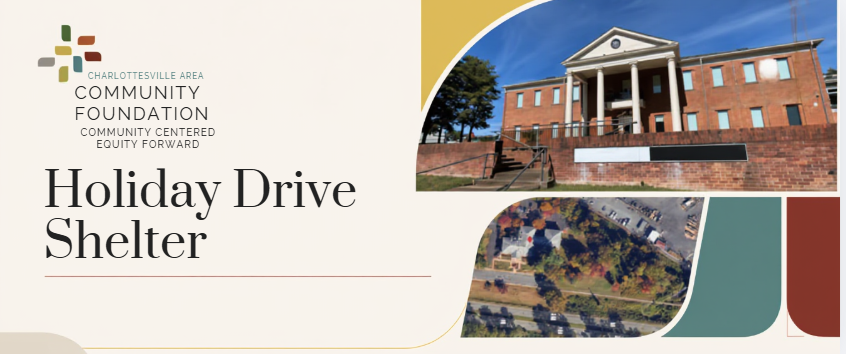
The City of Charlottesville has spent around just under $10 million so far on the creation of a low-barrier shelter to provide a place to stay overnight for people without homes. Last week, Assistant City Manager Sam Roman provided an update and said 112 people had been residents as of October 5.
The group Central Arizona Shelter Services will operate the shelter until at least August 31, 2027, while plans are worked out for how the property will become part of the Continuum of Care to assist people in need with housing and support services.
In the meantime, the Charlottesville Area Community Foundation has set up a website for people who would like to directly contribute to the shelter and to explain that the site is intended to provide an alternative to two encampments along the Rivanna River that were closed on September 1.
“People were living in unsafe conditions, including tents pitched in a dangerous flood plain, while existing shelters and service providers were at or beyond capacity,” reads the website. “With flood season approaching, our community needed an immediate response. It also needed a solution that would last.”
The CACF website lists other efforts to help to date such as work from 47 people coordinated by the Building Goodness Foundation over eight days to paint the new dormitories and common areas, to build shelving units, and to set up 120 beds.
But the CACF also sets out a vision for the future.
“The next step is transforming the property into a 100-bed permanent, year-round low-barrier shelter, scheduled to open in December 2027,” reads the website. “Renovations will take place while the temporary shelter remains operational, so guests will not be displaced.
The CACF has set a $7.5 million goal and has raised $4 million already. Learn more about how you can contribute on the website.
Before you go: The goal of Town Crier Productions is to increase awareness about what is happening at the local, regional, state, and federal government levels. Please share the work with others if you want people to know things.
Paid subscribers cover the cost of conducting research for this article which was originally published in the October 12, 2026 edition of Charlottesville Community Engagement. You can either subscribe through Substack or make a charitable contribution.
Discover more from Information Charlottesville
Subscribe to get the latest posts sent to your email.