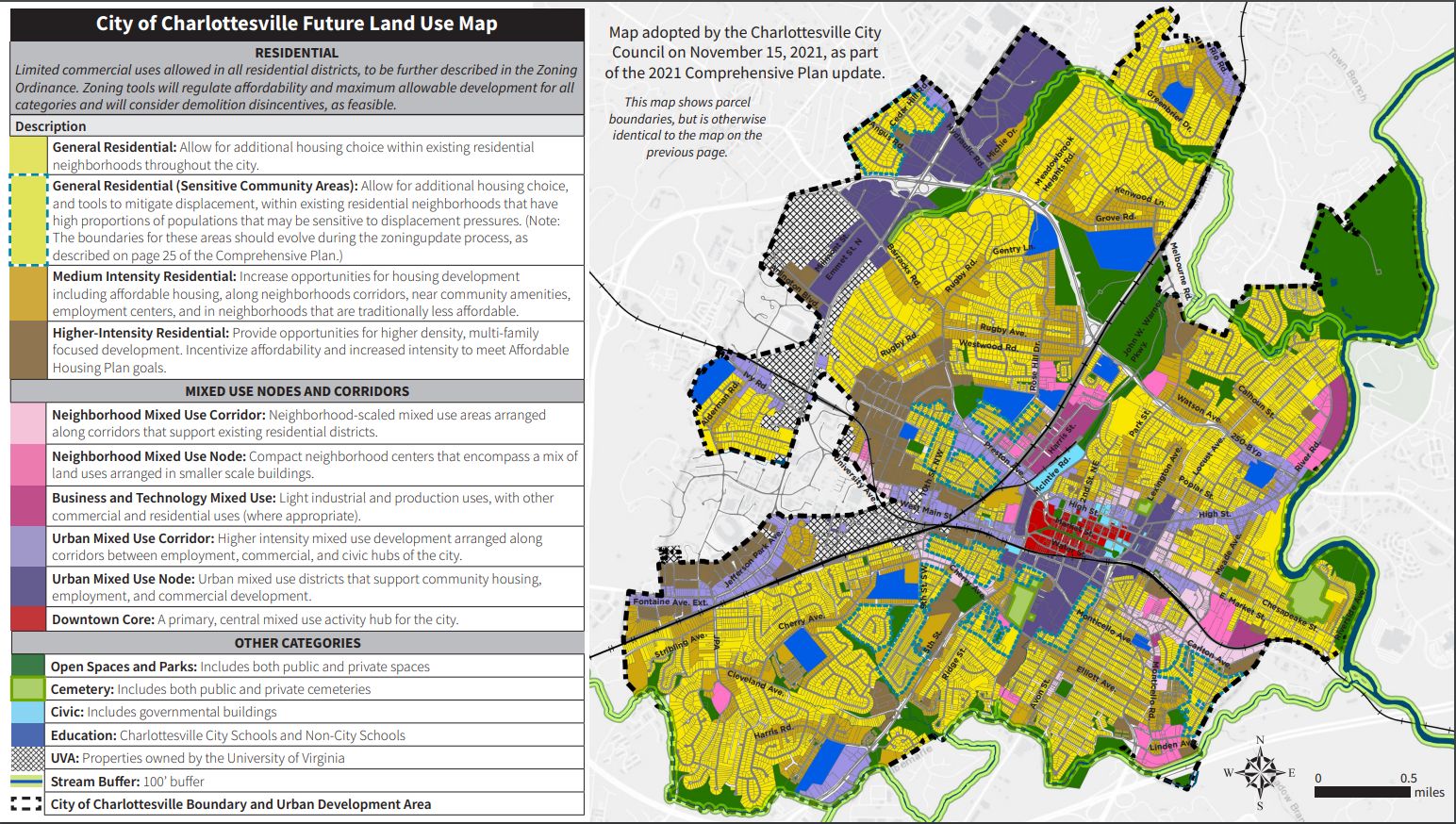
There are less than two weeks until the City of Charlottesville plans to move people out of encampments along the Rivanna River in a process officials describe as a “transition.”
Last night, Assistant City Manager Sam Roman provided an update to Council two weeks since his last public report when he reported 38 people at the encampment had agreed to public assistance.
“Five additional assessments have been completed for a total of 43 assessments,” Roman said. “Four 4 applications for SNAP have been taken care of, six ID applications, one Medicaid application, and seven intake connections to Home to Hope.”
Roman said two dogs in the camp have received medication and food, and food and clothes have been distributed to some people staying there. Five phones were handed out and one person has been connected with mental health services through Health Connect America.
Roman also said the city has begun tracking the overall cost to provide services such as daily trash service and replenishing handwashing stations and portable restrooms. He did not provide the number at the meeting, and a request is out to Charlottesville’s Office of Communications and Public Engagement.
Roman added there was a welfare check after the August 14 microburst. Some tents were damaged but there were no serious injuries.
“Our goal continues to open Holiday Drive as close to September 1st as possible with a sustainable operating plan,” Roman said. “That work continues.”
Charlottesville public safety officials also held a summit with businesses along Holiday Drive to hear their concerns and describe potential mitigations.
Earlier in the meeting, one resident of the camp insisted that the river never floods because it is controlled by a dam, a statement that Councilor Michael Payne countered during Roman’s presentation and said the encampment is not a safe place to live because it is in the middle of a floodway.
“In just recent years, there have been times the river has been 20 feet above its normal height, which has caused extensive flooding of the area, including flash floods,” Payne said.” So, when we know that there is an upcoming forecast involving extensive rains where there’s flash flooding risk where someone could have their belongings wiped away, or if they’re asleep at night, die. What’s our approach in terms of informing people of that risk?”
Roman said one reason for the constant presence of public safety officers at the site is to be on the ground to assist people and to check in after a storm has rolled through.
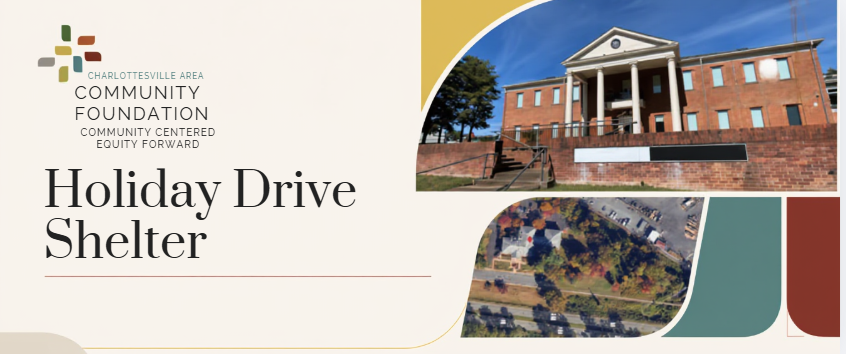
As the City of Charlottesville works behind the scenes with a plethora of nonprofit groups to work out the logistics to open an emergency shelter at 2000 Holiday Drive, several people who are living in tents along the Rivanna River and allies pleaded with Council to call off the upcoming deadline to leave the camp.
Jennifer Grant has spoken at recent meetings and said the public safety cameras recently set up failed to deter perpetrators from slashing open her tent and stealing her belongings while she was away. She also said news of the shelter is bringing new people to the area.
“Y’all broadcast this across everywhere,” Grant said. “Now we have people coming in from all over the tri-Cities, stating that they live at the encampment, which they really don’t, just so that they can go to the shelter.”
Grant also said the shelter will be less safe and many are not going to take the option when 2000 Holiday Drive opens. One critique is that the bathrooms and showers will initially be in trailers outside. Another is that people do not want to be told how to live.
“You cannot say, okay, a shelter is going to solve all the problems and get people out of this one neighborhood,” Grant said. “Well, guess what? It’s not. We’re going to find other places to go and it’s just simple as that. Then guess what you’re going to have? More violence, more rape issues, more this, more that. You’re going to have everybody spread all across the county and you’re not going to know where anybody is.”
Albemarle County resident Donna Tietjen called for the city to stop the upcoming removal and allow people to stay at Free Bridge because it is a better alternative than an emergency shelter.
“People living at Freebridge have been there for years,” Tietjen said. “Many have been there since the last sweep. They’ve built community, relationships, routines, and support systems. A congregate emergency shelter that may or may not be open by September 1st is still— and still under construction, offers no privacy, and is not a viable alternative for the vast majority of people being displaced.”

Laura Sirgany called the September removal date arbitrary and something prompted by what she called “bullies and bureaucrats.” She said the City needs to invest in housing.
“The city’s overall lack of understanding of housing policy and its link to community community health is morally bankrupt and economically irresponsible,” Sirgany said.
City Council adopted an affordable housing plan in March 2021 that called for a minimum of $10 million in spending on housing. The city has exceeded that every year since, and there exists a need to quantify how much of that has been spent, who got the money, and what units have been built since.
A series of questions have been sent to City Council on this topic and have not been responded to by publication time.

Before you go: The goal of Town Crier Productions is to increase awareness about what is happening at the local, regional, state, and federal government levels. Please share the work with others if you want people to know things. Paid subscribers covered the cost of conducting research for this article which was is made of up segments from the August 18, 2026 and August 20, 2026 editions of Charlottesville Community Engagement. You can either subscribe through Substack or make a charitable contribution.
Discover more from Information Charlottesville
Subscribe to get the latest posts sent to your email.