Should the local government be the only entity held responsible to solve society’s problems? What oversight can be provided by regional, state and federal entities? Are solutions made more difficult by too many players in the game?
These have been overarching questions in my mind as I’ve covered the City of Charlottesville’s response to a growing number of people who are living outside in encampments on public land.
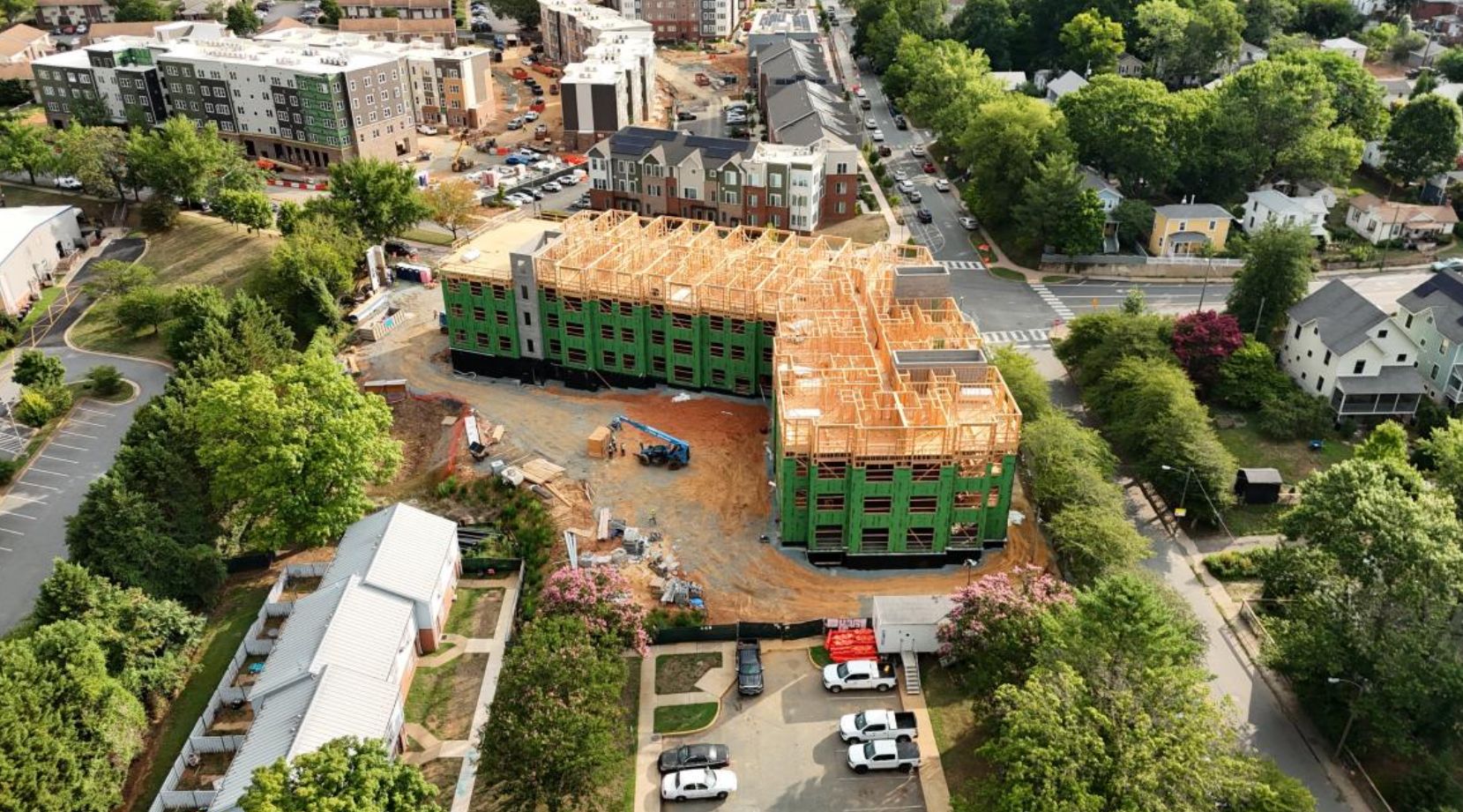
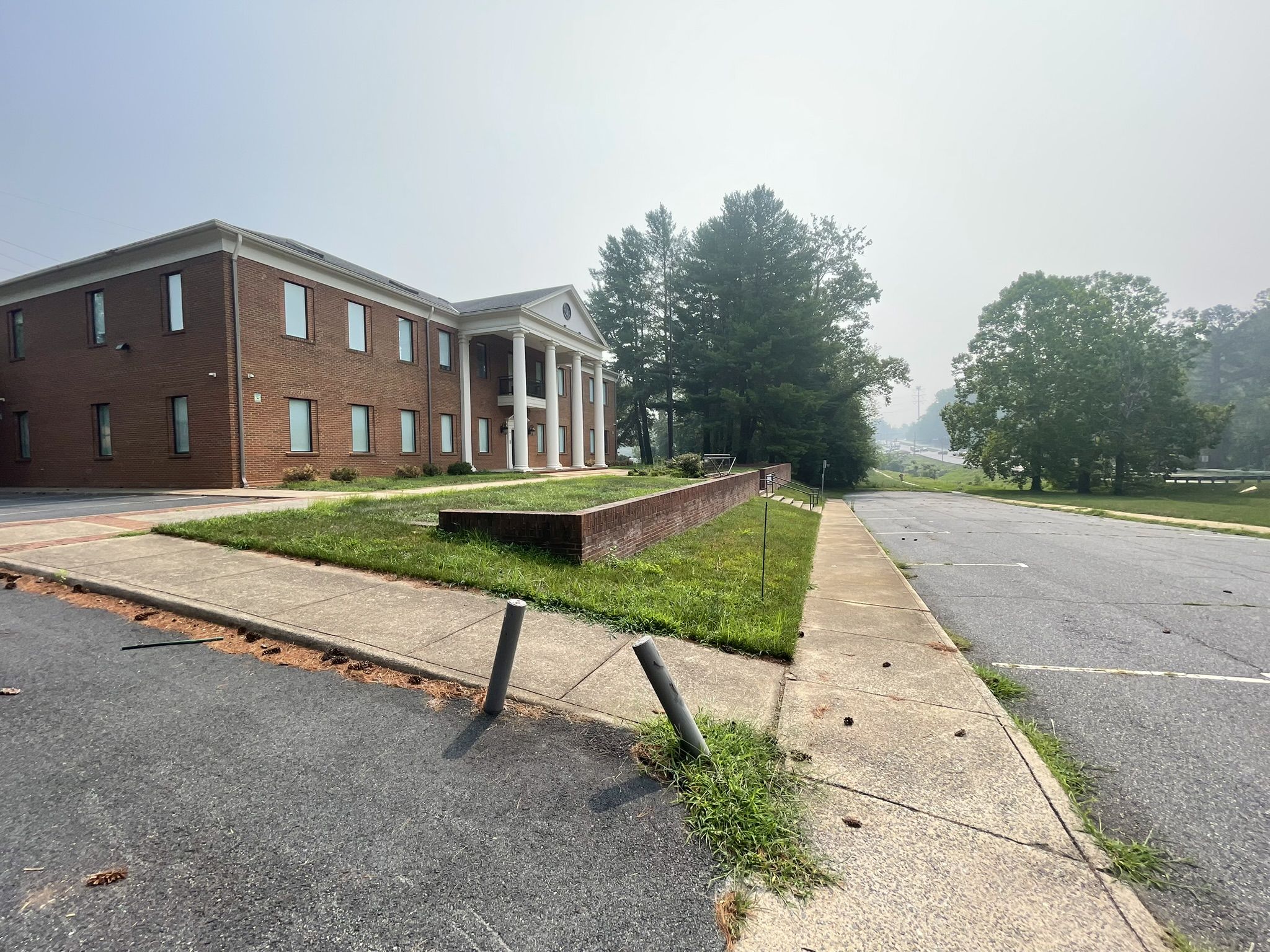
Ten months have passed since Charlottesville City Council agreed to purchase 2000 Holiday Drive for a low-barrier homeless shelter. In late March, three non-profits presented an initial plan to operate the facility around the clock with each handling a different aspect of the “Continuum of Care.” An operational plan is still under development while the city prepares to remove people to the encampment.
With that as a backdrop, the Charlottesville City Council will get an update on “homeless services” at their work session beginning at 4 p.m. in City Council Chambers. We all have a lot of questions. I’ll have a longer preview tomorrow as well as details from the meeting in Tuesday’s newsletter. (meeting overview)
The very last item on Council’s agenda on August 3 is $4 million for “emergency sheltering services” and “direct to housing initiatives.” While there are no details of how this would be spent, the funding would come from the Capital Improvement Program Contingency Fund. That pool has been tapped multiple times over the years for this purpose.
For instance, Council agreed last June to use $425,000 to hire two outreach employees to work with homeless individuals. This has not been used as of July according to answers I received from the city’s communications department.
Council agreed to $6.2 million to purchase 2000 Holiday drive in October 2025.
Elsewhere in the City Council agenda is a report from City Manager Sam Sander that states he “met with Salvation Army Leadership to discuss the $7M grant from the State for homeless services.”
That funding comes from the Commonwealth of Virginia as part of the budget agreement.
“Out of the amounts in this paragraph, $7,000,000 the first year is provided to the City of Charlottesville for the development of a transitional housing and life skills training facility to increase capacity to serve individuals and families experiencing homelessness in the community,” is the exact wording of the amendment.
The Salvation Army launched a $28 million capital campaign in May to raise funds for a project to double their capacity from 55 beds to 110 beds. Charlottesville has committed $3 million in funds to the project.
Senator Creigh Deeds said it is up to the City Council to determine how they want to use the $7 million.
“My priority is the low barrier shelter, but we can’t get what we need here without both the low barrier shelter and the Salvation Army facility,” Deeds said.
Before the homeless services update, Council will get an update on the mental health response team that has been operational since July 1, 2024.
“ANCHOR (Assisting with Navigation, Crisis Help, and Outreach Resources) consists of two police officers, two firefighter EMT’s and two mental health professionals to respond to 911 calls for mental health or substance use help,” reads the staff report.
ANCHOR works from 8 a.m. to 6 p.m. Monday through Friday. More details in a nine page presentation.

After a closed session, Council will resume the meeting at 6:30 p.m. There will be announcements and the Community Matters section which now has its own Instagram account. Want to speak? Take a look here.
Then there will be a vote on the consent agenda. This week there are many second readings of items discussed at the July 20, 2026 meeting including $425,000 in funding for the Charlottesville Redevelopment and Housing Authority’s South First Street Phase Two.
There is one item on first reading on the consent agenda. This is for an additional payment of $204,017 to the Albemarle Charlottesville Regional Jail Housing Authority to cover a shortfall related to a calculation error. (details here)
There is also a resolution to forgive a large utility bill incurred by the Charlottesville Redevelopment and Housing Authority at their property at 801 Harris Street.
“Utility Customer CRHA experienced significant leaks at their property at 801 Harris Street,” reads the staff report. “The leaks were repaired and consumption has returned to normal levels.”
CRHA and the City of Charlottesville purchased dozens of properties known as the Dogwood Portfolio including this one. At one point, the CRHA was considering selling this property but held onto it.
Other items on the agenda include renewal of a lease of city-owned 708 Page Street with City of Promise and a resolution to formalize a provision where the Charlottesville City Attorney’s Office handles legal services for the Charlottesville-Albemarle Airport Authority.
The final item before a second public comment period is that $4 million vote.
Before you move on: Thank you for reading this story about an upcoming meeting in local government. This particular edition was in the Week Ahead version of Charlottesville Community Engagement published on August 2, 2026.
This is the sort of article that fits the mission of Town Crier Productions, a mission to increase awareness about how government works by looking up close at what happens at meetings. Paid subscribers cover the cost of the research. You can either subscribe through Substack or make a charitable contribution.
Discover more from Information Charlottesville
Subscribe to get the latest posts sent to your email.