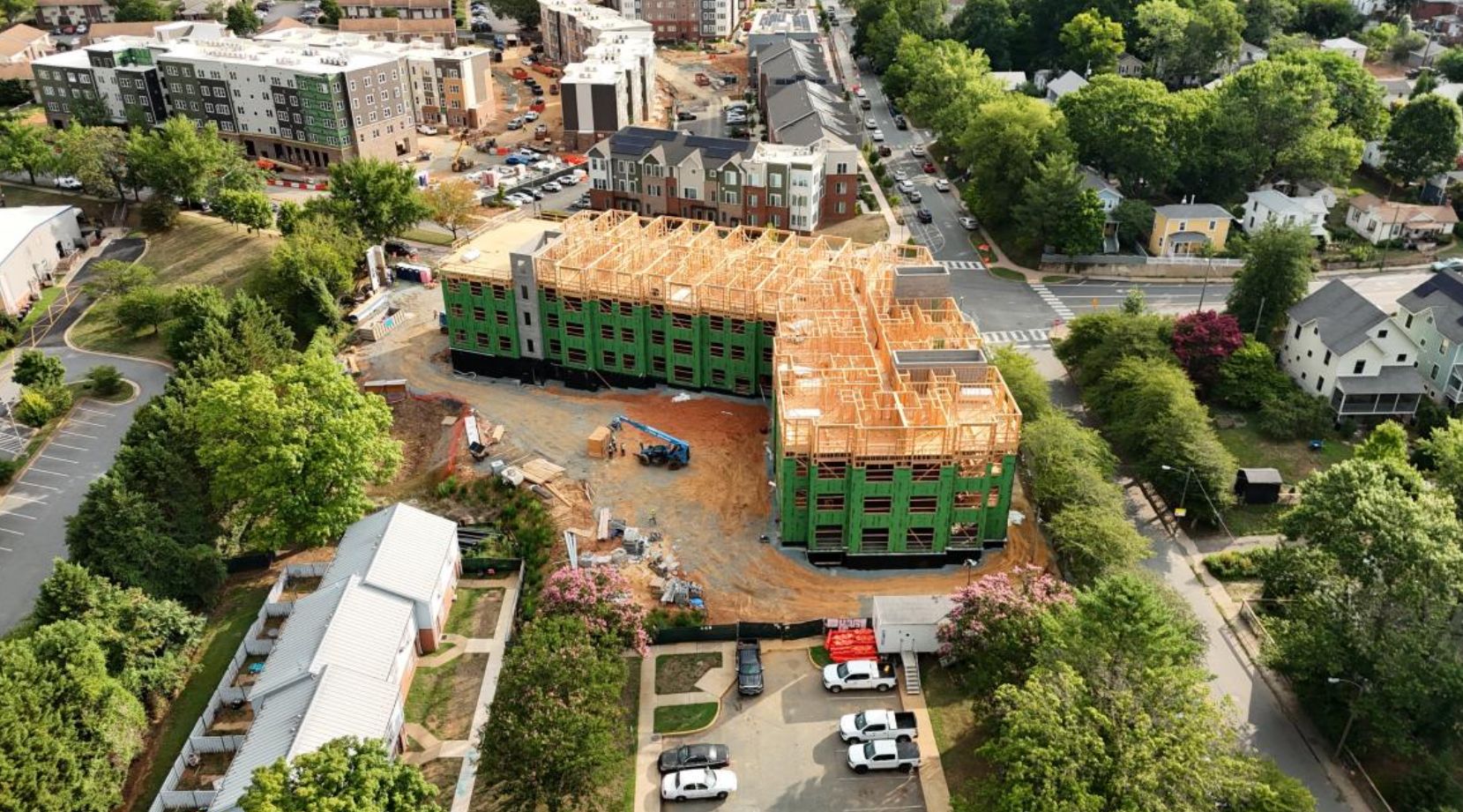
The Fluvanna-Louisa Foundation created a home buyer assistance program in 2006 and promoted heavily to public school teachers. The Piedmont Housing Alliance holds the funds in a trust on behalf of the county, but the Board of Supervisors has final say over how the program is used.
“The funds may be used purchase lam provide down payment assistance for home buyers, closing cost assistance, collaborate with local builders to provide starter homes which are lacking in this community and first time home buyers down payment assistance,” said Kim Hyland, the foundation’s executive director.
According to a description on the foundation’s website, households are eligible if they are a first-time homebuyer and their incomes do not exceed 100 percent of the area median income.
Hyland went before the Board of Supervisors on January 20 to update them on potential changes including increasing a $10,000 cap on a household’s ability to tap into the funds.
“We feel that this has been very limiting as times have changed and the housing prices have gone up incrementally in Louisa County,” Hyland said. “It also hasn’t been updated to reflect the home values that are currently transacting in Louisa County.”
Hyland has recommended increasing the cap to $30,000 as well as other changes.
Jackson District Supervisor Toni Williams honed in on Hyland’s comment about starter homes and wanted to know what that might entail. Hyland said homebuilders tend to build three or four bedroom houses that are out of reach of people at the lower end of the housing ladder.
“We don’t have as many two bedroom homes and the average household size in Louisa county is about 2.5, 2.6 people,” Hyland said. “So for young people starting out, purchasing a three or four bedroom house immediately doesn’t allow them to jump into the market at a lower level and build equity.”
Hyland said older people looking to downsize also find themselves without inventory. She said a purchase price of $250,000 would be attainable for someone beginning, but a two bedroom house on an acre and a half would not go now for less than $300,000.
The foundation itself is building 25 two bedroom units and hopes to sell them for $160,000.
“But that is not paying a developer,” Hyland said. “That’s the housing foundation doing it without a profit margin.”
Part of the funding also came from federal HOME programs administered by the Thomas Jefferson Planning District Commission. The foundation applied for a grant from the Virginia Department of Housing and Community Development and were unsuccessful.
Hyland said she would like to partner with developers to lower costs, but said the only way to produce housing on scale is to work in partnership with local governments and other nonprofits. She suggested one way to reduce the cost to the homebuyers is to subsidize provision of water, sewer, and other infrastructure.
Williams said there has been talk about what the county can do and that would be to prioritize the growth areas.
“That would be the Town of Mineral, that would be the Town of Louisa, that would be Ferncliffe, that would be Zion’s Crossroads,” Williams said.
So far, Louisa taxpayers have not provided any money to the units the housing foundation is seeking to build. Patrick Henry District Supervisor Fitzgerald Barnes said that may need to change to help the foundation leverage other sources of funding.
“We’re going to have to have some skin in the game because the grant that she’s talking about thought that we weren’t contributing enough locally to receive the grant,” Barnes said.
Green Springs District Supervisor Rachel Jones agreed and also agreed that the guidelines for the homebuyer assistance program should be updated.
“I think the original criteria was written in 2008,” Jones said. “if I remember right from our meetings, that it needs to be updated to this year, 2026, so we can get people accessing those funds and help them get into homes and find homes as they can.”
Williams supported the program but wanted to ensure they are used for long-time residents of Louisa County and not people want to move there. There is currently a requirement that households live in the county for six months before they can apply.
That set up the Supervisors’ next conversation: How to preserve rural area land.
Before you go: Paid subscribers cover the cost of conducting research for this article which was originally published in the February 10, 2026 edition of Charlottesville Community Engagement. The gap between posting to the two sites is due to illness and a sudden change of plans.
Discover more from Information Charlottesville
Subscribe to get the latest posts sent to your email.