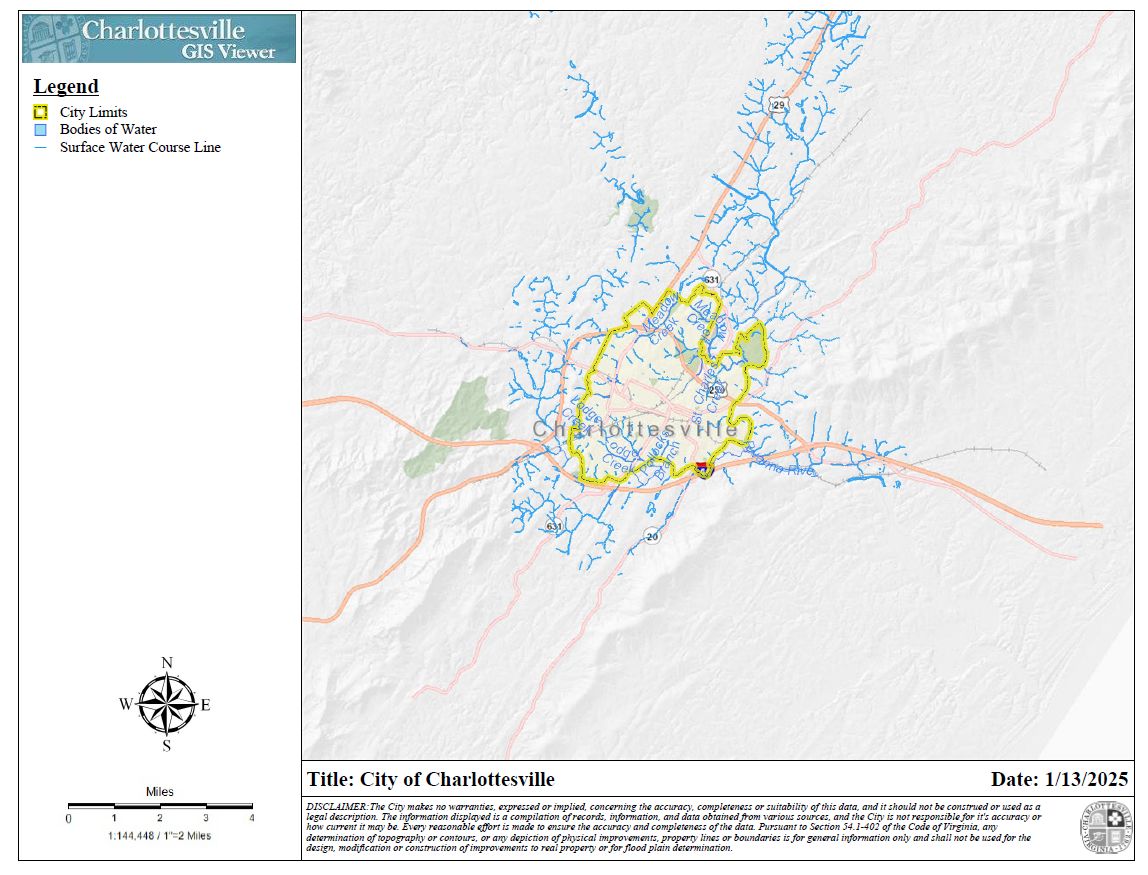
A roadway crucial to the interconnectivity of the western edge of the University of Virginia has reopened. Old Ivy Road across the U.S. 29/250 bypass has been closed since the afternoon of September 29 when a vehicle hit the underside of the bridge.
“The bridge had been closed to allow crews to perform additional repair work to a bridge beam that [was] damaged earlier last week in a bridge strike,” reads an information release sent out by the Virginia Department of Transportation on October 11. “All work and inspections are now complete, and the bridge is open to traffic.”
The damage took place during a period when a contractor working for VDOT is replacing a bridge constructed in 1961. The plan has been to use the existing bridge piers and install a new deck and beam at a slightly higher level to provide more vertical clearance on the four-lane highway below. .
About 8,000 people a day take Old Ivy Road at this location according to figures provided by VDOT. The project information page is here.
The area is within the geographic scope of what VDOT calls a “pipeline study” that culminated in a final report this February. The report notes that 525 residential units will soon come online with an entrance just hundreds of feet from the bridge’s eastern terminus. The Albemarle Board of Supervisors approved a rezoning for Old Ivy Residences in March 2023. (read the study)
The area is also within one of Albemarle’s designated growth areas and specifically what Albemarle refers to as the Western Urban Neighborhood. The master plan for this was last adopted on June 10, 2015 as part of the last Comprehensive Plan update. (read that plan)
Albemarle County last updated its list of transportation priorities in 2019. Coming in at #31 was a project two-thirds of a mile to the east that would “realign and improve intersection between US 250 and [railroad] tracks to provide for bicycle and pedestrian facilities and other improvements.” (read the 2019 transportation priority list)
Before you go: The time to write and conduct research for this article is covered by paid subscribers to Charlottesville Community Engagement. In fact, this particular installment comes from the October 13, 2025 edition of the program. To ensure this research can be sustained, please consider becoming a paid subscriber or contributing monthly through Patreon.
Discover more from Information Charlottesville
Subscribe to get the latest posts sent to your email.