There are more meetings than usual in Charlottesville for the development of the budget for the next fiscal year. The City Council spent just under two hours at a work session on January 30 getting the latest glimpse of revenues. They first heard from City Manager Sam Sanders who has wanted to keep elected officials and the public informed.
“I started the budget series this year with three budget briefs to give you indications of what it begins to what it had begun to look like for putting together this budget,” Sanders said. “The goal was not to scare you, but was to basically invite you into what can be fun for us and trying to figure out how to make things work.”
To recap:
- At the first budget briefing on November 18, Sanders told Council he would try to bring forward a balanced budget based on no rate increase. (read the story)
- At the second budget briefing on December 2, Sanders updated Council on the city’s commitment to affordable housing and infrastructure. (read the story)
- At the third budget briefing on December 16, Sanders reviewed expected increases in public transit and public safety. (read the story)
At the January 30, 2025 work session, Sanders repeated that he would try to bring Council a balanced budget not based on a tax rate increase but he could not guarantee he could do that.
Budget Director Krisy Hammill said this meeting was intended to get any last minute feedback from Council before the recommended budget comes out on March 3, 2025. She was able to provide some sense of where revenue projections are for the end of the current fiscal year and the next.
“Real estate and personal property tax notices are going out or have started to go out,” Hammill said. “We are looking at an increase in ‘26 of just about $7.9 million of revenue.”
That number is based on $0.98 per $100 of assessed value, but would automatically be higher if Council raises the rate. When Council adjusts the real estate tax rate in either direction, the change applies to the calendar year. When Council agreed in April 2024 to a two cent increase that added extra revenue for FY24 which ended with a $22.4 million surplus as I reported this week.

Hammill said collections of sales tax revenue are lower than expected in the current fiscal year. The anticipated amount for this year is $15.81 million but collections are trending lower. For now, she’s assuming that trend will continue and is assuming only $14.5 million will be collected in FY26. There are also lower assumptions for the lodging tax and the meals tax.
“The revenue team continues to look at those every month,” Hammill said. “ But they are definitely sort of not as strong as what they have been.”
Commissioner of Revenue Todd Divers said sales tax might be down because the retail tax base is not as large as the one in Albemarle.
“We’re trying to do some analysis to see if it’ll bear that out,” Divers said. “Transient occupancy tax and meals tax. You know, I guess folks are just not coming like they were. Not eating out like they were.”
Hammill said the city also expects an additional $2.4 million increase in payment from Albemarle County from the revenue-sharing agreement. She said overall, the city is projecting about $10.4 million in new revenue for FY26 and 40 percent of that goes to the school system based on a formula.
Taking a look at spending, the collective bargaining agreements add about $4.5 million in expenditures required by the four contracts currently in place for the municipal unions. That includes a $1.9 million increase for the agreement represented by the Teamsters.
There are two more collective bargaining units waiting to be finalized.

Other impacts on the budget include $1.3 million to cover what the city has agreed to pay Habitat for Humanity and Piedmont Housing Alliance in FY2026 for the purchase of the Carlton Mobile Home Park. There’s a $1 million increase related to renovations at the Albemarle Charlottesville Regional Jail.
“Essentially we are working to balance the city manager’s proposed budget by February 14,” Hammill said. “So we are going to be talking a lot in the next few days and a few weeks to finalise what we think is a number that we will bring to you all as part of the budget.”
Under Virginia law, localities must advertise any proposed tax increases in the newspaper of record. That’s the Charlottesville Daily Progress. The ad must run seven days before the public hearing which is scheduled for March 17.
“If you are going to increase taxes for a specific purpose, we would need to know,” Hammill said. “So that we can advertise that. We would need to know that so we can include it in the budget pretty quickly.”
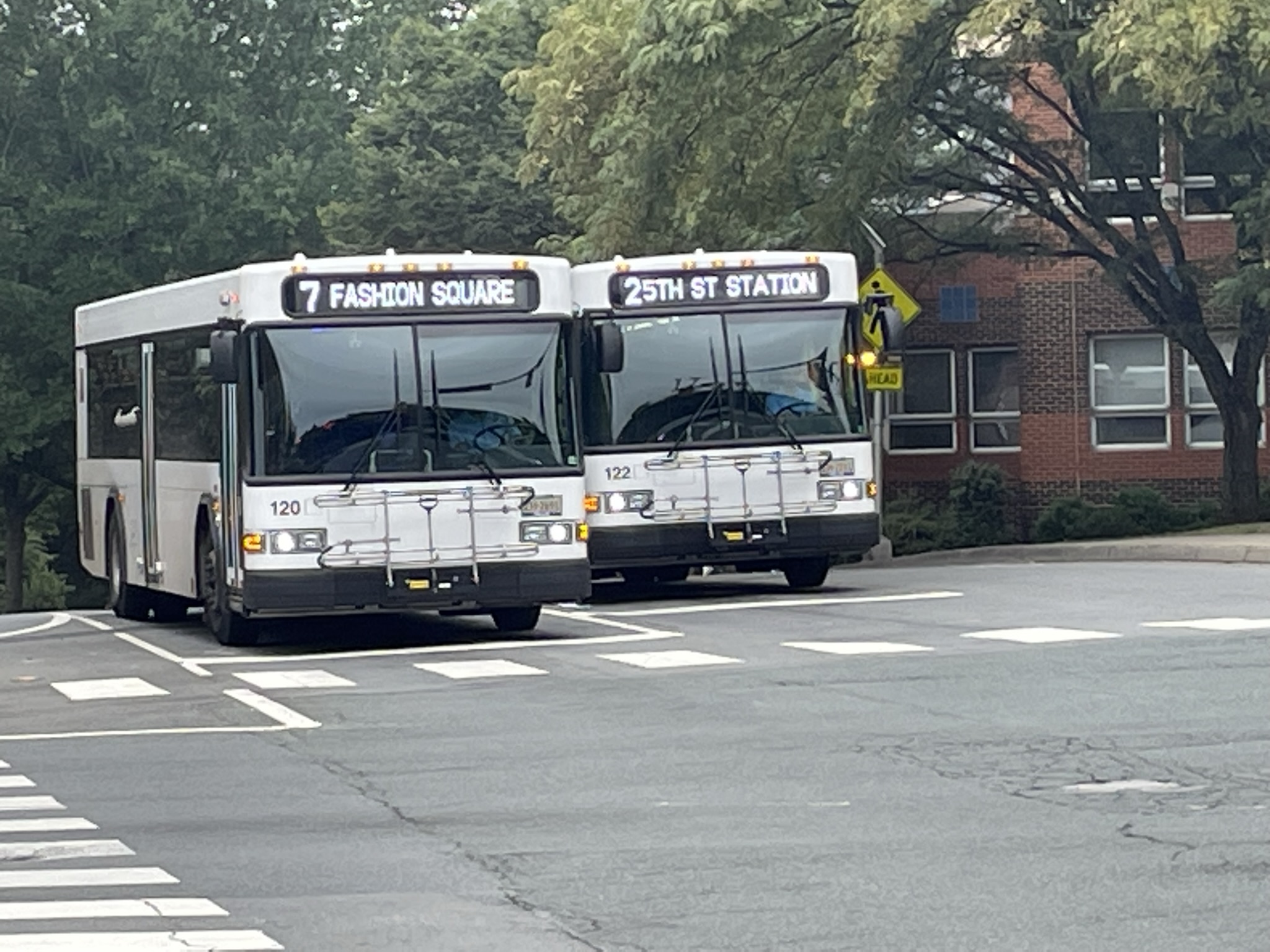
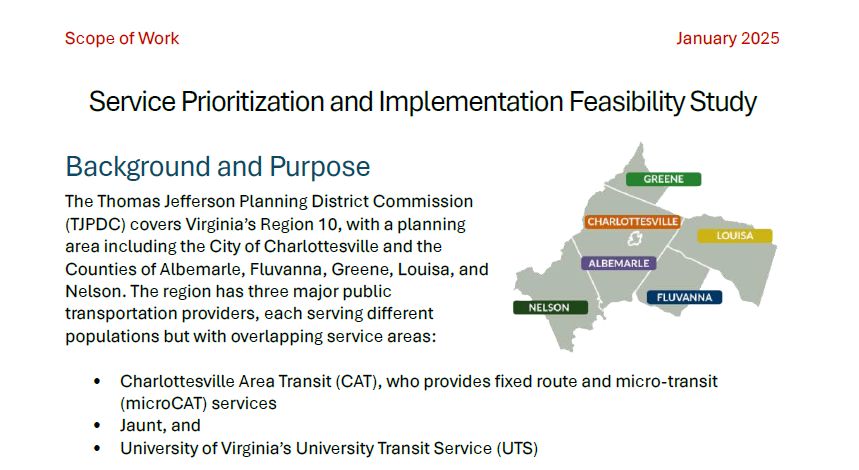
There will be further discussion about expenditures. Sanders said that transit may be a difficult conversation. Charlottesville Area Transit is still trying to hire enough drivers to restore the system to pre-pandemic levels. The presidential transition raises questions about whether the federal government will foot the bill as had been anticipated.
“We should all be in a perpetual state of prayer hoping that we don’t have the spigot turned off because we need it,” Sanders said, adding that his budget team have discussed the presence of $25 million to $30 million that flow from the federal government for all manner of programs.
“With the news of freezing it poses concerns inside the building for us and the mechanics of doing the work,” Sanders said. “And it absolutely sends chaos and terror throughout the neighborhoods unfortunately.”
Sanders said it is too soon to know for sure what will happen and he said localities across the country are being tested. He said he has not brought forward any proposals for how to spend the surplus until the city identities what specific cuts will be made. He said there will likely not be an attempt to clawback funds that were spent through the American Rescue Plan Act.
Not mentioned was a new memo from new U.S. Transportation Secretary Sean Duffy that will seek to tie federal funding to communities with higher birth rates and higher marriage rates, as well as linking funding to compliance with immigration enforcement policies. (read the memo)

Before you go: This article was originally sent out as part of the Charlottesville Community Engagement newsletter in the January 31, 2025 edition. Both are functions of Town Crier Productions. You can support the work by purchasing a paid subscription or contributing monthly through Patreon. You can also send in a check or send an email, but drop me a line first.
Discover more from Information Charlottesville
Subscribe to get the latest posts sent to your email.