The election of Donald Trump to a second term in the United States presidency likely means a shake-up in the role the federal government plays in building infrastructure. Before that happens, those interested in the topic might consider a November 12 report from the Brookings Institute that reviews the role states play in delivering roads and other ways of getting around.
“States have enormous authority to determine what projects get built, where, and by whom,” reads the executive summary of the report. “Yet states also have a responsibility to invest with purpose and transparency.”
For a sense of scale, the U.S. Department of Transportation sent $61 billion in federal funding to states in fiscal year 2024. One of the authors of the report said many of the governance systems in the county reflect the priorities of the 20th century.
“Between our vehicle-fueled safety crisis, the high costs to drive, and roads being damaged by extreme weather, states can lead by modernizing their investment approaches,” said senior fellow and lead author Adie Tomer in a press release.

Overall the report finds that most states do not do a good job of providing checks and balances on how money is spent and most states do not publish data on performance metrics.
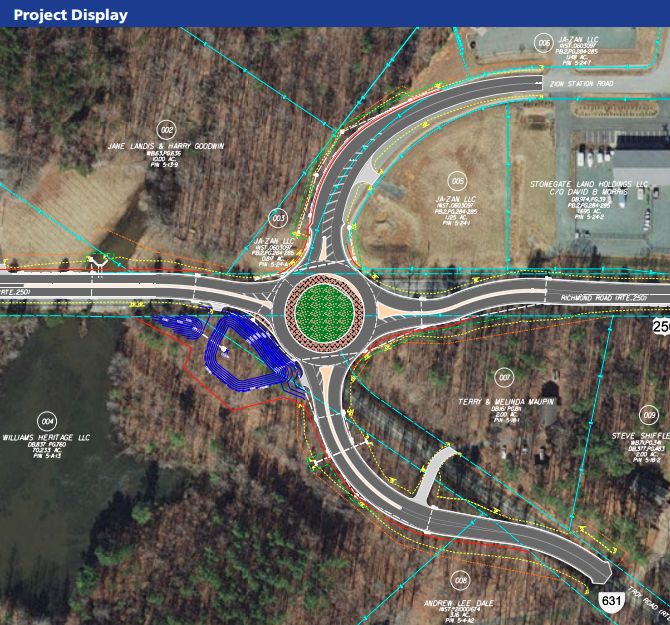
In the report, Virginia is recognized as being a “promising exception” by having a project selection system that explains what gets funded. That refers to the Smart Scale process that ranks all submissions based on several factors including congestion relief, economic development impacts, and environmental considerations.
The report also notes that Arizona and Michigan that have systems that allow more revenue sharing with localities than other states.
“Generally, states are failing to operate their DOTs in a manner that promotes transparency or helps communities make local investments,” the summary continues. “Yet even with such gaps, there are many promising policies and practices that could be replicated in peer states.”
The report also makes recommendations for change at the Congressional level and notes that the Infrastructure Investment and Jobs Act will expire in 2026. One is that more states create a program like Smart Scale or the Strategic Highway Investment Formula for Tomorrow (SHIFT) program in Kentucky.
The report concludes with a informal scorecard comparing each state and Virginia and Arizona tied for third with a score of 14.5. Virginia received a 4 for planning, a 3 for project selection, a 0.5 for local planning, 4 for public input, and 2.5 for whether there is an independent commission overseeing transportation governance.

Before you go: The time to write and research of this article is covered by paid subscribers to Charlottesville Community Engagement. In fact, this particular installment is from the November 25, 2024 edition of the newsletter. To ensure this research can be sustained, please consider becoming a paid subscriber or contributing monthly through Patreon.
Discover more from Information Charlottesville
Subscribe to get the latest posts sent to your email.