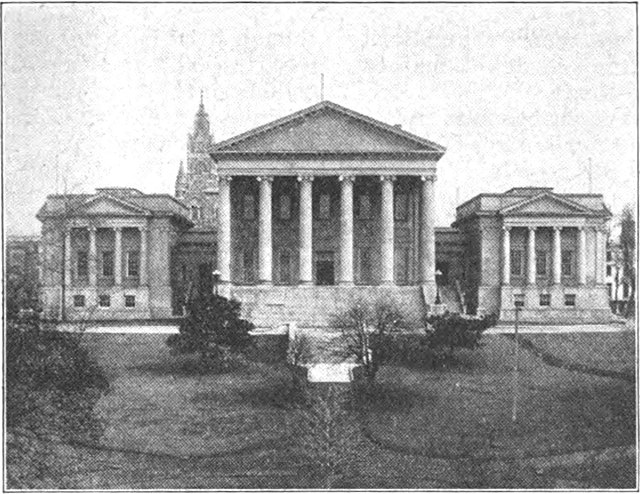
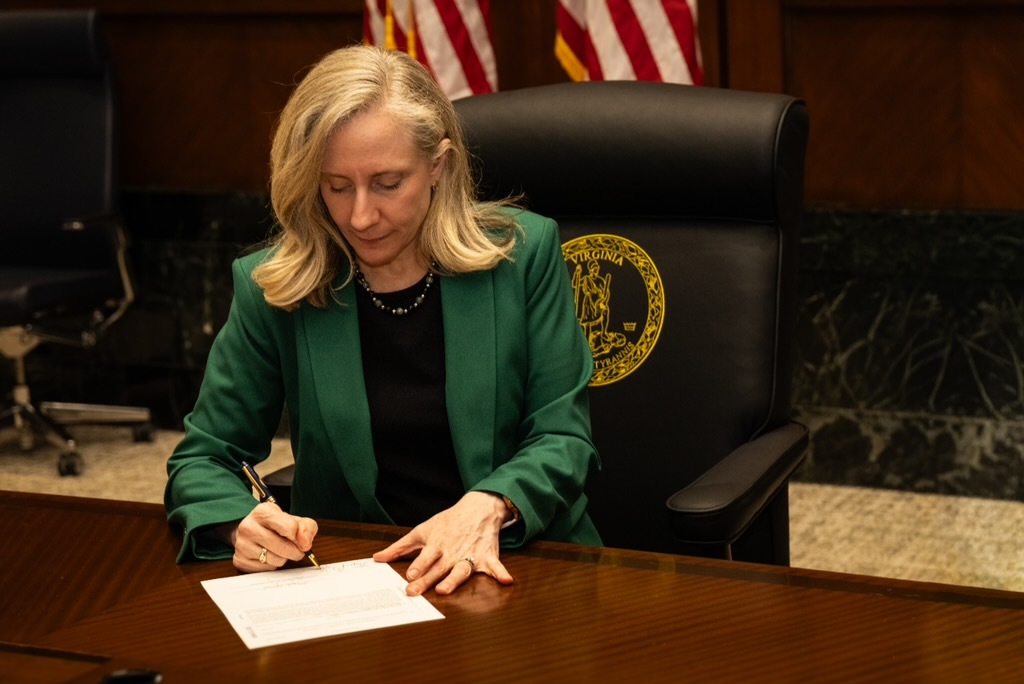
Both chambers of the Virginia General Assembly reconvened Wednesday to respond to actions taken by Governor Glenn Youngkin. While several recommendations from the executive branch were adopted, other legislation remains pending including the state budget.
Youngkin released a joint statement with Speaker of the House Don Scott, Senate Finance and Appropriations Chair Louise Lucas and House Appropriations Chair Luke Torian in which they explained negotiations will continue.
“We are all committed to creating a budget that meets the needs of Virginians on time,” reads the statement. “An updated budget will then be presented to the General Assembly on May 13th to be voted on in a special session on May 15th.”
It takes a two-thirds vote in the Chamber to override a Governor’s veto and with a 51 to 49 majority there appeared to be no attempt to do so in the House of Delegates.
The Senate is a different story and there were many votes to attempt to pass the original version which resulted in the same 21 to vote such as with SB1 which would have raised the minimum wage in Virginia.
“The free market for salaries and wages works,” Youngkin wrote in his veto statement. “It operates dynamically, responding to the nuances of varying economic conditions and regional differences. This wage mandate imperils market freedom and economic competitiveness.”
The Senate did not have enough votes to override Youngkin’s veto of SB14 which would have allowed localities to hold a referendum on a one percent sales tax increase for school construction. This originally passed the Senate on January 29 with a 27 to 13 vote, which is above the two-thirds threshold.
When the bill went for a vote in the House of Delegates on February 26, an amended bill passed with 68 yes votes and 28 no votes, again above the threshold. Two days later, the Senate voted 25 to 14 which is not a veto-proof majority. However Senator Tammy Mulchi (R-9) indicated she had intended to vote yes as she did on January 29.
Yesterday, Mulchi was among the Senators who voted yet, but 15 voted no to keep the vote at 62.5 percent which means the veto was not overridden. Both Senator Danny Diggs (R-24) and Senator Todd Pillion (R-6) changed their vote.

Some vetoed bills will wait to the special session for further action:
- SB69 would allow individuals who are considered Deferred Action for Childhood Arrival by U.S. Citizenship and Immigration Services to serve in law enforcement
- SB143 would have required railroad crews to include at least two people
- SB306 would require retailers who sell invasive species to post information about the dangers of such plants to the ecosystem.
- SB428 would expand ranked-choice voting to more types of elections
For a full list of bills that were adopted with Youngkin’s amendments, click here.
In some cases, the House of Delegates rejected Youngkin’s amendments which means the legislation goes back to his office for further consideration. These include:
- HB173 would make it a Class 5 felony for sale, transfer, or possession of the sale of plastic firearms designed to evade detection. Speaker Scott ruled the amendments were not germane.
- HB224 as passed specifically states that mental health awareness training for teachers cover the stresses of LGBT+ youth. Youngkin had recommended stripping that from the bill.
- HB536 added a nuance to the definition of bullying to add language about people in groups named in The Virginia Human Rights Act. The House rejected Youngkin’s amendment.
For a full list of bills with recommendations that have not yet been adopted, click here.
Here’s a special edition of the “Reading Material” section related to yesterday’s reconvened session:
- Future of skill games in Virginia still unclear as Senate rejects Youngkin’s proposal, Graham Moomaw, Virginia Mercury, April 17, 2024
- Virginia legislature will consider reworked state budget in May 13 special session, Nathaniel Cline and Charlie Paullin, Virginia Mercury, April 17, 2024
- Virginia lawmakers agree to extend budget talks as they take up Youngkin amendments, vetoes, Sarah Rankin and Denise Lavoie, Associated Press, April 17, 2024
Before you go: The time to write and research of this article is covered by paid subscribers to Charlottesville Community Engagement. In fact, this particular installment is from the April 18, 2024 edition of the newsletter. To ensure this research can be sustained, please consider becoming a paid subscriber or contributing monthly through Patreon.
Discover more from Information Charlottesville
Subscribe to get the latest posts sent to your email.