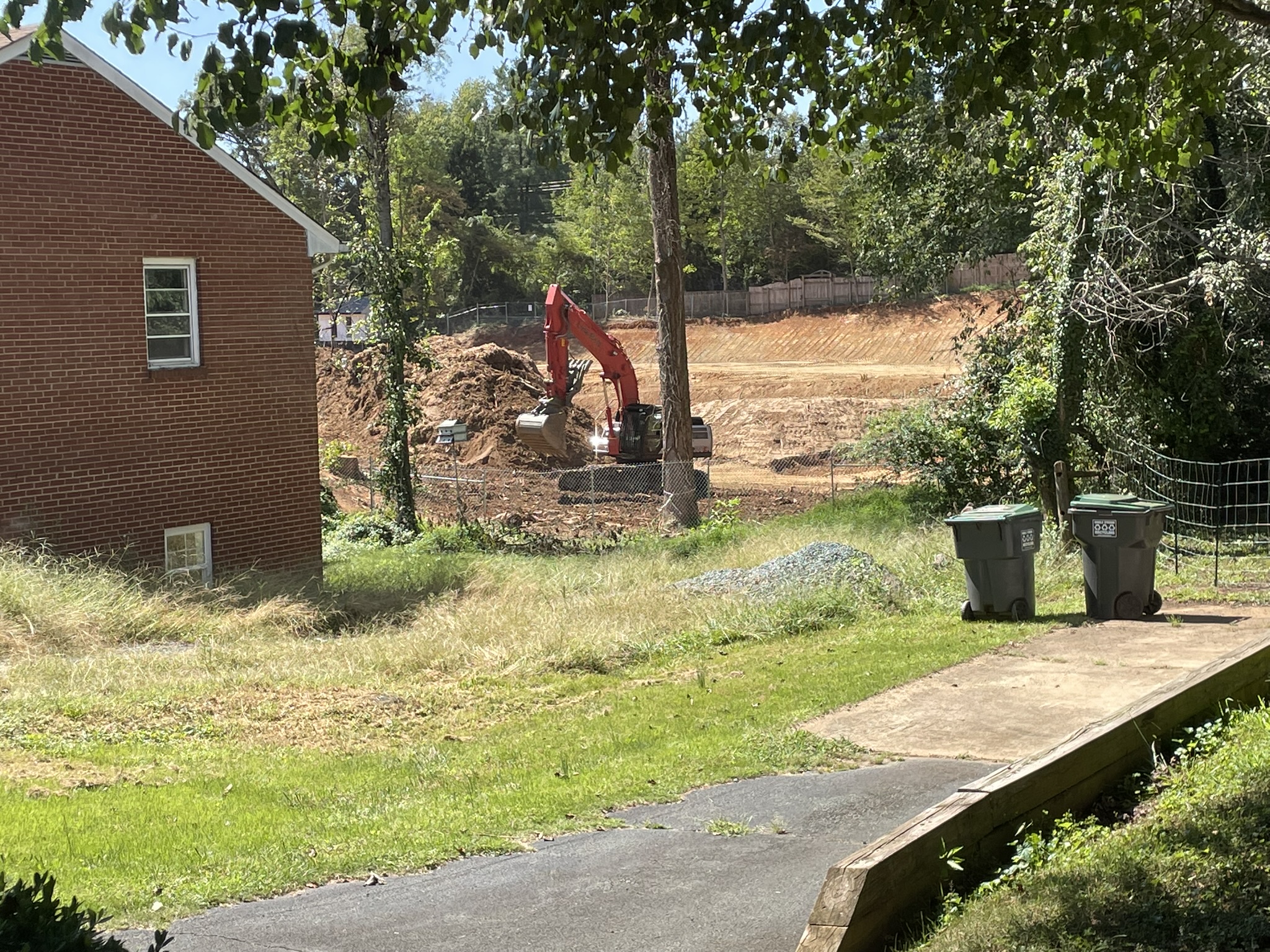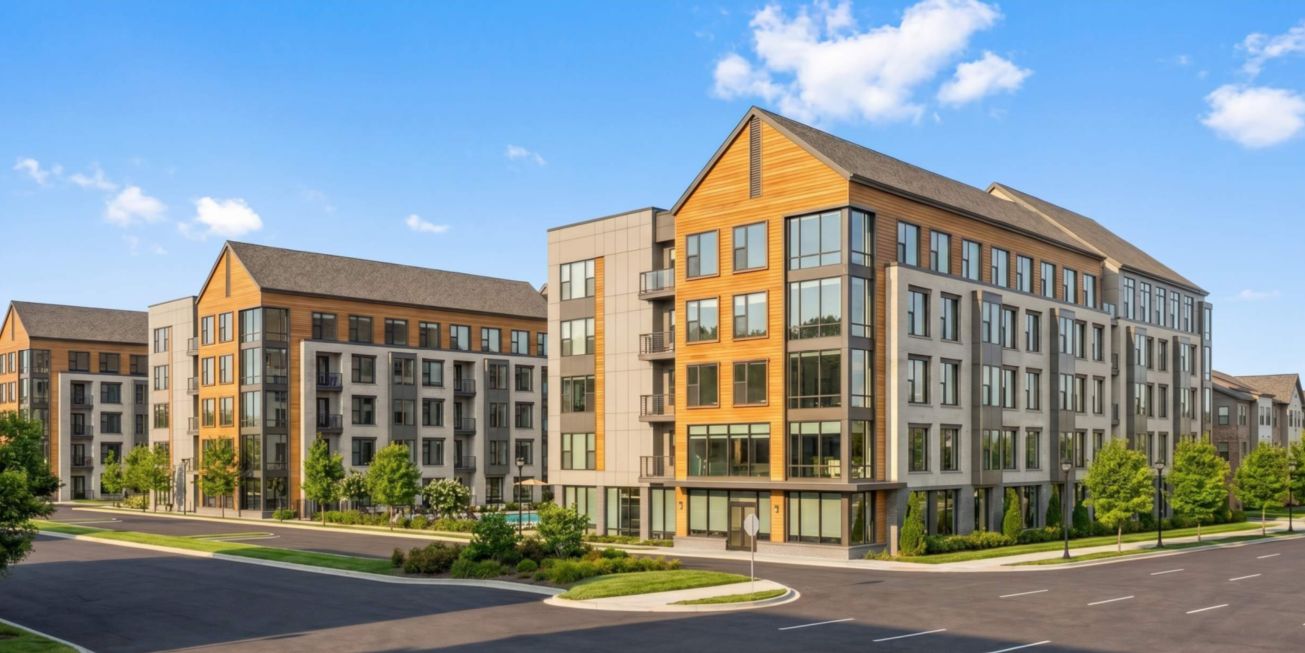
One goal of Charlottesville Community Engagement is to point people in the direction of ways that change is measured in the community. Most local governments keep track of construction activity and frequently report items such as the number of building permits and the amount of approvals for new living space.
The Board of Supervisors adopted a policy called Housing Albemarle in July 2021 that called for the construction of 11,750 new dwelling units by 2040 and stated that there were about 9,000 units already approved but not yet built.

The consent agenda for the January 10, 2024 meeting of the Albemarle Board of Supervisors featured reports on both. Community Development staff issued 451 certificates of occupancy in the county through the first nine months of the year. That’s more than was issued in all of 2015 and 2016 but the county does not appear to be on pace to surpass 2020, when 1,143 certificates were granted. (view the 3rd quarter CO report for 2023)
Switching to building permits, there were 456 issued through 2023’s third quarter, with 333 of them issued during that period. In all of 2015 there were 514 permits issued, and there were 1,342 issued in 2020. That number declined to 838 in 2021 and rebounded to 914 in 2022. (view the 3rd quarter building report for 2023)
These reports also break down the information by magisterial district. Of the 333 residential units issued building permits in the third quarter, 287 of them were in the Rivanna District, and 279 of these are classified as multifamily units. There were a total of six in the Rio District, one in the Jack Jouett District, six in Samuel Miller, 22 in Scottsville, and eleven in White Hall.
There were a total of 63 certificates of occupancy issued in the 3rd quarter, with 32 of these in the White Hall District, sixteen in the Scottsville District, ten in the Rivanna District, four in the Samuel Miller District, one in the Jack Jouett District, and none in the Rio District.
Both reports also break down whether permits were issued in the rural area or the growth area. Through the third quarter of 2023, 85.5 percent of new certificates of occupancy were issued in the development areas.
“Very grateful to see the continual reduced numbers in the rural area because it shows that our plans are working and the plans that were set out by our predecessors in the 80’s and 90’s are working,” said White Hall District Supervisor Ann Mallek.
One speaker at the public comment period called on Supervisors to adjust the growth area boundaries.
“I live down Avon Street Extended where the many housing developments are squished together and were built without adequate school accommodations,” said Susan Perry. “And at the end of my block, there’s nothing but green pretty. It looks kind of surreal. The twenty-year expansion zones are full. You may not think they are full but they’re pretty full.”
Community members can track the progress of the construction of new units through Albemarle’s Development Dashboard. Perry lives within what is classified as Neighborhood 4 which shows 242 units approved but not yet built as of October 1, 2023. These numbers are to be updated quarterly.

Before you go: The time to write and research of this article is covered by paid subscribers to Charlottesville Community Engagement. In fact, this particular installment comes from the January 16, 2024 edition of the newsletter and podcast. To ensure this research can be sustained, please consider becoming a paid subscriber or contributing monthly through Patreon.
Discover more from Information Charlottesville
Subscribe to get the latest posts sent to your email.