Almost a month has passed since the City of Charlottesville produced a brochure with information about the upcoming removal of people from encampments along the Rivanna River. They also created a page on the Connect Charlottesville as another resource, but there hasn’t been much of an update.
To fill a perceived information gap, the organization Livable Cville held a webinar on August 19 with speakers including City Councilor Jen Fleisher, a former employee of the Blue Ridge Health District who has been working on what the city refers to as a “transition” to the emergency shelter being prepared at 2000 Holiday Drive.
“The reason we are in an emergency posture is one, the pressurizing of weather,” Fleisher said. “So the flood season in the— along the Rivanna River down between Riverview Park and kind of Cosner’s and under the bridge at Freebridge are floodplains and flood fields. Where between September and October we generally see our most, we are most at risk for flooding.”
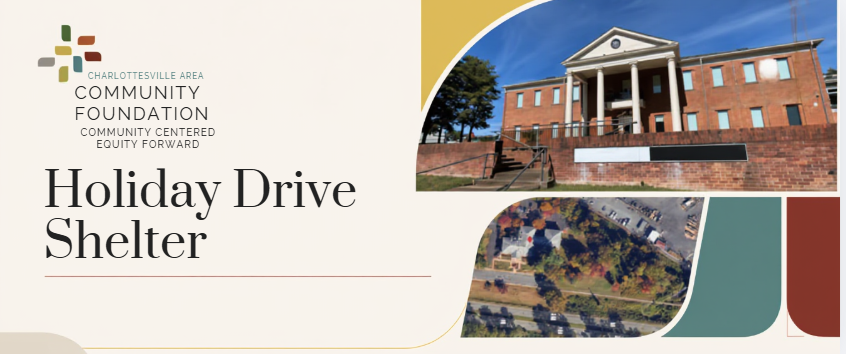
Fleisher said the contractor Martin Horn is building out the space on a single floor at 2000 Holiday Drive for the emergency shelter with an intent of being open on September 1. She said teams have been working with those who have been living in tents to find out their needs.
“The priority is not to arrest people,” Fleisher said. “The deadline is an incentive for both us as the city and for residents to work together to get folks into their best fit for housing.”
The organizations in what’s known as the Continuum of Care are putting together an operations plan for what they want to see happen at Holiday Drive and that is due on August 31. In the meant, the city is in negotiations to have Central Arizona Shelter Services manage the emergency shelter.
“CASS began more than 40 years ago as a collaborative community response to homelessness in the Phoenix area, and the spirit of that partnership has remained central to what we do,” said Brittnie Stanton, the chief programs officer. “So our mission is to prevent and end homelessness among individuals and families.”
Stanton said the organization seeks to reduce barriers to shelters and said she is hopeful lessons can be shared with local service providers. The intent is not to copy and paste what’s worked in Phoenix.
“We’re gonna bring some experience and we’re gonna bring some staffing and we’re gonna bring some capacity,” Stanton said. “But we really are going to lean on the local organizations, the CoC, the city, lived experience by continuing to do the public workspaces workgroup, by having feedback from those residing in shelter to, to make this the best project it can be.”
An agreement had not been signed as of August 19 but Stanton said the initial duration will be a 12-month contract.
As for who can stay at the shelter, Stanton said there will be no criminal background checks. No firearms or weapons are allowed.
“We are not asking them to be sober,” Stanton said. “We are not asking them to have income. We are really just asking them to show up and give us a chance to help connect them to the next best place, which is hopefully housing. And so obviously, as we continue to kind of figure out what that landscape looks like, and as those new units become available, that is going to be where things are directed.”
More on this story as it develops. In the meantime, the webinar also features comments from Shayla Washington, executive director of the Blue Ridge Coalition for the Homeless.
Before you go: The goal of Town Crier Productions is to increase awareness about what is happening at the local, regional, state, and federal government levels. Please share the work with others if you want people to know things. Paid subscribers cover the cost of conducting research for this article which was originally published in the August 24, 2026 edition of Charlottesville Community Engagement. You can either subscribe through Substack or make a charitable contribution.
Discover more from Information Charlottesville
Subscribe to get the latest posts sent to your email.