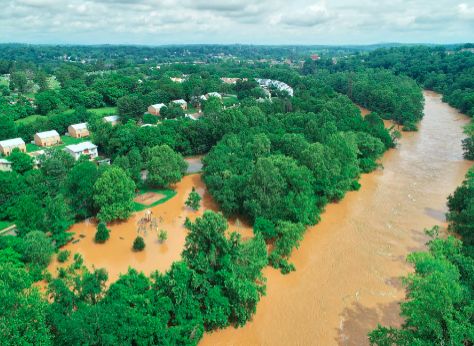
In 2020, the Virginia General Assembly joined the Regional Greenhouse Gas Initiative (RGGI), an interstate compact that puts a cap on the amount of emissions utility companies can generate.
Auctions are held every quarter for allowances to exceed volumes and the legislature directed 45 percent of Virginia’s share toward a program called the Virginia Community Flood Preparedness Fund.
“The purpose of the funding is to support regions and localities to reduce the impacts of flooding,” said Kristel Riddervold, the director of the city’s Office of Sustainability. “It’s a fund that’s operated by the [Virginia Department of Conservation and Recreation] and it’s managed by the Virginia Resource Authority. And it essentially provides grants and loans for both what they call capacity building and then projects itself.”
Virginia participated in several auctions and Charlottesville won three awards totaling $522,776 from the program
- The first round led to the creation of a flood model for the Moores Creek watershed
- The second round went to creation of a flood resilience plan
- The third paid for creation of models for the Meadow Creek and Rivanna River watersheds
On his first day in office, Governor Glenn Youngkin signed an executive order directing staff to begin the process of pulling out of RGGI. Bills to do so legislatively failed and the matter is still pending in court after a Floyd County Circuit Court judge ruled last November that Youngkin acted unlawfully.
However, the Department of Conservation and Recreation had enough funding for another round and the city has been awarded an additional $360,000 requiring a $40,000 local match. This will be used to put all of the pieces together for a Floodplain Management Program Review and Flood Resilience Plan update. (read my story from July)
Riddervold said this will allow a chance for the city to review its efforts to date.
“Let’s review the roles and responsibilities, identify best practices and see which of those are applicable to Charlottesville, integrate these updated stormwater models, take a look at the plans and policies that we have all over the place related to this topic, review and prioritize the identified flood mitigation projects, figure out a funding and execution plan, really speak about preparedness and communication,” Riddervold said.
The item will be on the consent agenda for City Council’s October 6, 2025 meeting. Between now and then, what questions do you have about all of this?
Before you go: The time to write and conduct research for this article is covered by paid subscribers to Charlottesville Community Engagement. In fact, this particular installment comes from the September 22, 2025 edition of the program. To ensure this research can be sustained, please consider becoming a paid subscriber or contributing monthly through Patreon.
Discover more from Information Charlottesville
Subscribe to get the latest posts sent to your email.