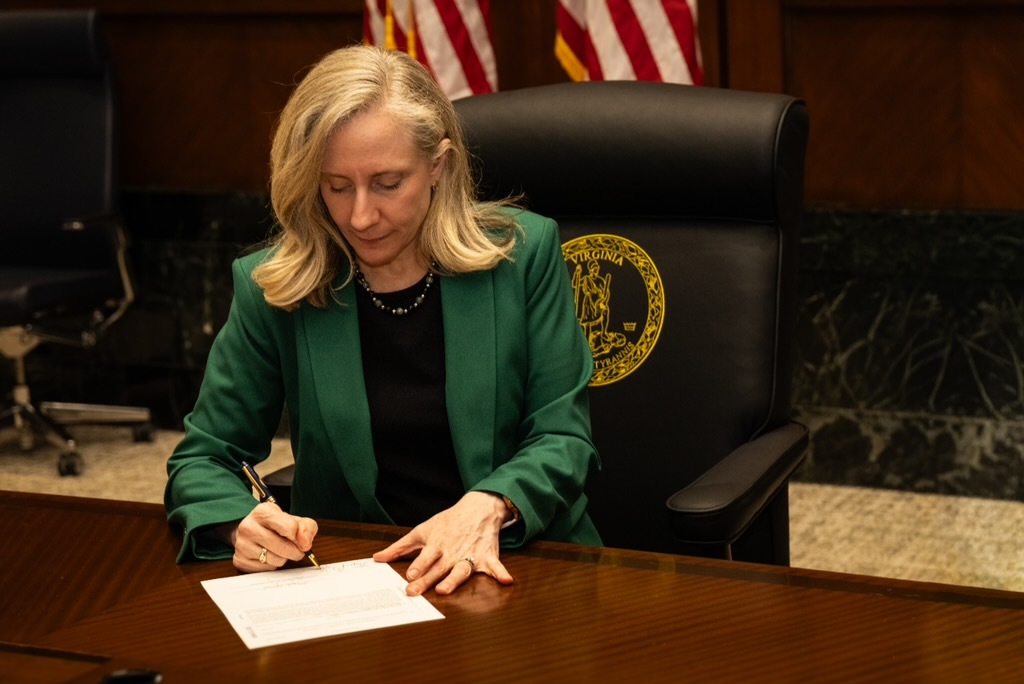
The executive phase of the 2024 General Assembly continues with Governor Glenn Youngkin taking action on 60 more bills with a further 22 vetoes. Youngkin signed 36 pieces of legislation and amended another two.
“We have a duty to protect the people of the Commonwealth of Virginia from harm,” Youngkin said in a press release Wednesday night. “I vetoed 22 bills which protect illegal immigrants, or impede law enforcement officers, prosecutors, and judges from holding criminals accountable and bringing them to justice.”
Let’s start with some of what got signed:
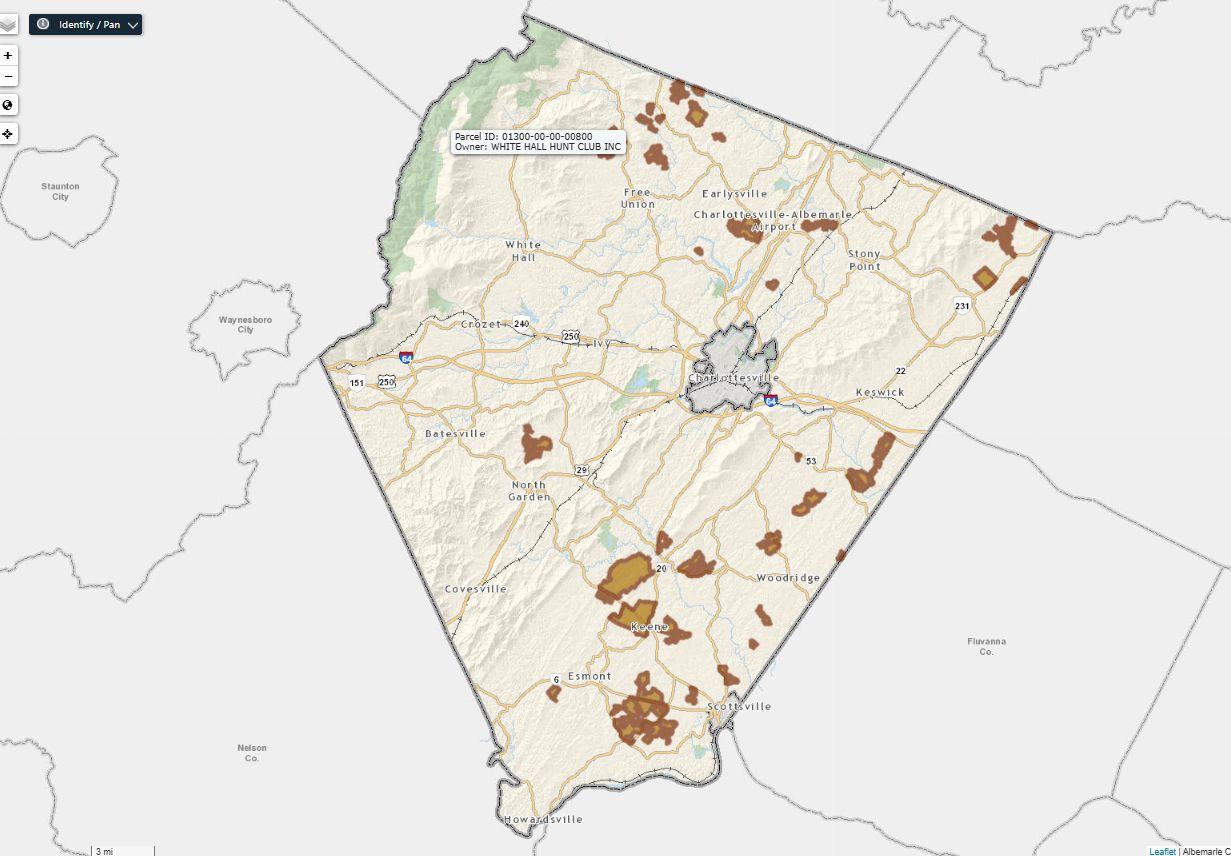
- Road whips involved with fox hunts can flash amber lights on their vehicles during the events as long as they display a sign that says “Horse Crossing With Rider.” (HB24)
- The deadline has been extended by one year for communities with combined sewer flow outfalls to become compliant with efforts and mandates to reduce pollution that makes its way to the Chesapeake Bay. (HB71)
- It will be illegal to use a law enforcement dog in a correctional facility, adult or juvenile (HB159)
- There can now be official license plates commemorating the 250th anniversary of the Declaration of Independence (HB840)
- Those seeking to recertification as a real estate broker would need to take three more hours of continuing education on topics such as ethics, fair housing and other topics. However, SB330 also decreases the number of general elective hours from eight to five.
- The Town of Craigsville in Augusta County will be allowed to obtain some land from the Department of Corrections when the Augusta Correctional Center is closed later this year. (SB691)
- The Drug Treatment Court Act is now to be known as the Act of Recovery Court Act. (SB725)
- Appointed bodies can have a few more electronic meetings, but not too many more. (SB734)
The two bills Youngkin amended are related. The House of Delegates and Senate passed different versions of legislation related to first-time drug offenders. Youngkin sent back the Senate version with a note that he supports the language that passed the House of Delegates.
Now, the vetoed bills.
HB972 would have prohibited asking defendants in criminal cases their immigration status.
“Such limitations on the information available to courts risk impeding their ability to adjudicate cases fairly and accurately, potentially resulting in severe consequences for those outside the courtroom,” Youngkin wrote in his veto statement.
SB69 would have allowed people who arrived in the United States as children but are now awaiting a legal status through the Deferred Action for Childhood Arrivals program to be eligible to serve as law enforcement officers and police chiefs.
“This bill would run counter to this appropriate working practice by allowing non-citizens who are not permanent residents and are not eligible to become citizens to be certified as law enforcement officers, Youngkin wrote.
HB455 would have reduced the penalty for having less than a gram of a controlled substance to a Class 1 misdemeanor. Right now any amount is a Class 5 felony even if there are only trace amounts of residue. The Virginia Criminal Justice Conference recommended this bill but Youngkin vetoed it.
“The proposal will lead to the public’s perception that possession of residue of a scheduled drug such as cocaine or heroin is not a serious offense, akin to underage alcohol possession,” Youngkin wrote. “Such perception would hinder our efforts to combat drug crises, such as the opioid epidemic.”

HB520 would have required guidelines be put on interrogation practices used by law-enforcement officers such as developing policies for when officers can use false promises of leniency, fake documents, or misinterpretations of what others have said.
Youngkin said existing protections are enough.
“Imposing additional statutory requirements when current practices are sufficient and adaptable is not prudent,” Youngkin said in a statement. “This proposal would create unnecessary bureaucratic burdens without significant added benefit.”
HB45 would have allowed that any time a person is spent incarcerated prior to conviction be used as time toward release. That could include time in a state psychiatric facility. Youngkin said this would violate Virginia’s truth-in-sentencing policy.
“The ramifications of such a policy shift are alarming,” Youngkin said. “Not only would it necessitate recalculating virtually every inmate’s sentence, but it would also undermine public safety by releasing individuals at a heightened risk of re-offending.”
For the full list of vetoed bills, visit the Governor’s website.
Before you go: The time to write and research of this article is covered by paid subscribers to Charlottesville Community Engagement. In fact, this particular installment is from the March 21, 2024 edition of the newsletter. To ensure this research can be sustained, please consider becoming a paid subscriber or contributing monthly through Patreon.
Discover more from Information Charlottesville
Subscribe to get the latest posts sent to your email.