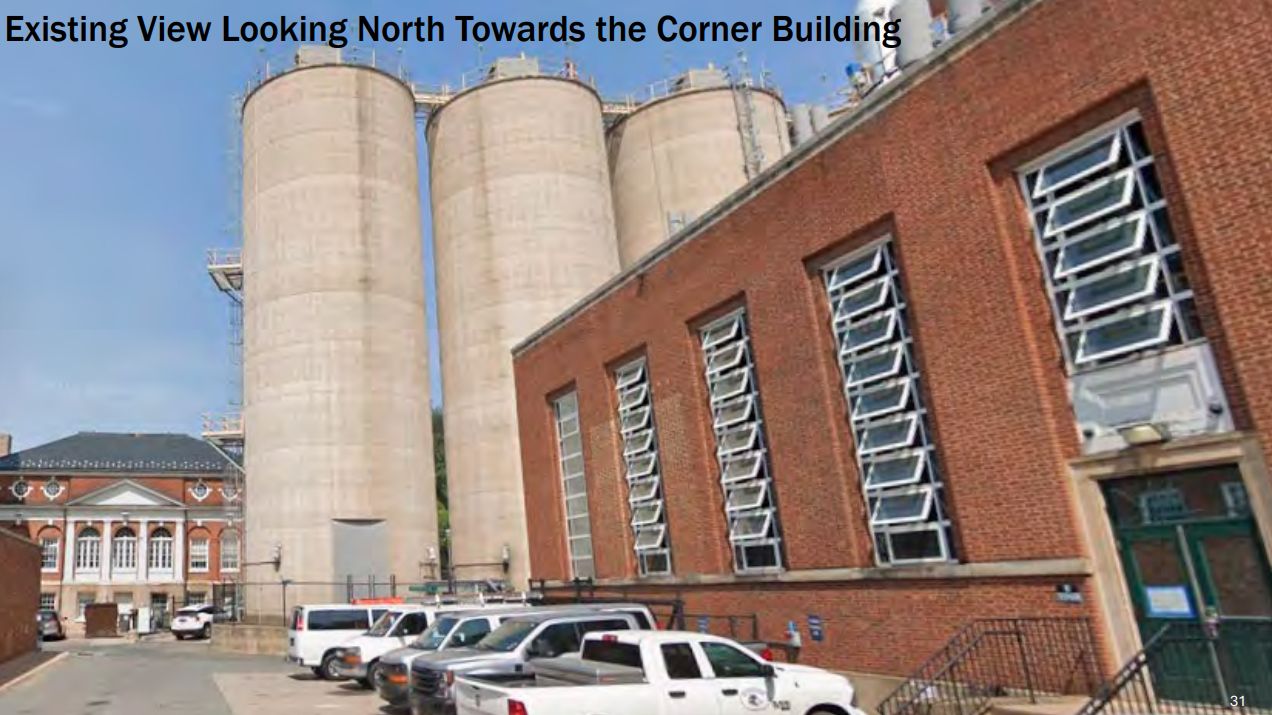
A public comment period is open for the University of Virginia’s plans to replace a coal-fired system with one that is occasionally used to provide heat and hot water for parts of Grounds and the Medical Center.
The specific request is for a “significant amendment” to a Prevention of Significant Deterioration Permit (PSD) issued by the DEQ. Learn more about the process here.
“The facility currently operates three boilers that combust natural gas and coal (Boilers 1R, 2R, and 5), and two boilers that combust natural gas and distillate oil (Boilers 3R and 4R),” reads a public notice published in the October 29, 2026 edition of the Charlottesville Daily Progress.
In June, the Board of Visitors approved a $38 million plan to upgrade the heat plant to eliminate coal as a fuel source.
“The outcome of this work will eliminate the continuity of operation risk associated with coal sourcing, delivery, and combustion; reduce carbon and sulfur emissions; decrease operating and fuel cost by more than $2.2M annually (resulting in an anticipated return on investment in 17 years); and avoid capital costs associated with replacement of coal conveying equipment,” reads a staff report.
Those three boilers will be upgraded to be able to use oil. As part of the change, UVA wants to change their monitoring requirements for nitrogen oxide and carbon monoxide from being continuous to being periodic.
A change is suggested of the other boilers as well.
“The facility proposes replacing the NOx CEMS for the distillate oil and natural gas boilers (Boilers 3R and 4R) with Predictive Emissions Monitoring Systems (PEMS) for NOx and periodic performance testing,” the public notice continues.
The notice also states that the changes will result in a drop in emissions of several pollutants but an increase in carbon monoxide.
- Nitrogen Oxides: -85.28 tons/year
- Sulfur Dioxide: -74.63 tons/year
- Carbon Monoxide: +27.46 tons/year
- Volatile Organic Compounds: +0.47 tons/year
- Particulate Matter: -5.37 tons/year
- Particulate Matter <10 microns: -20.88 tons/year
- Particulate Matter <2.5 microns: -23.11 tons/year
- Sulfuric Acid Mist: -1.95 tons/year
“The five boilers combined will utilize a maximum of: 3,240 million standard cubic feet of natural gas per year; 5.95 million gallons of distillate oil per year; and 284 gallons of propane per year,” the notice continues.
The public hearing and information briefing itself will be held in Room 139 of Ridley Hall at 405 Emmet Street South beginning at 5:30 p.m. on December 1 beginning at 5:30 p.m. Check out the public notice for directions on how to submit a public comment.
Before you go: The goal of Town Crier Productions is to increase awareness about what is happening at the local, regional, state, and federal government levels. Please share the work with others if you want people to know things.
Paid subscribers cover the cost of conducting research for this article which was originally published in the November 2, 2026 edition of Charlottesville Community Engagement. You can either subscribe through Substack or make a charitable contribution.
Discover more from Information Charlottesville
Subscribe to get the latest posts sent to your email.